GET ALL THE VOCABULARY YOU NEED TO BE DESIGN-WISE
The Complete Glossary of
Design Terms & Lingo

Feeling Lost with Design Speak? Let’s Clear Things Up!
Design Glossary Categories
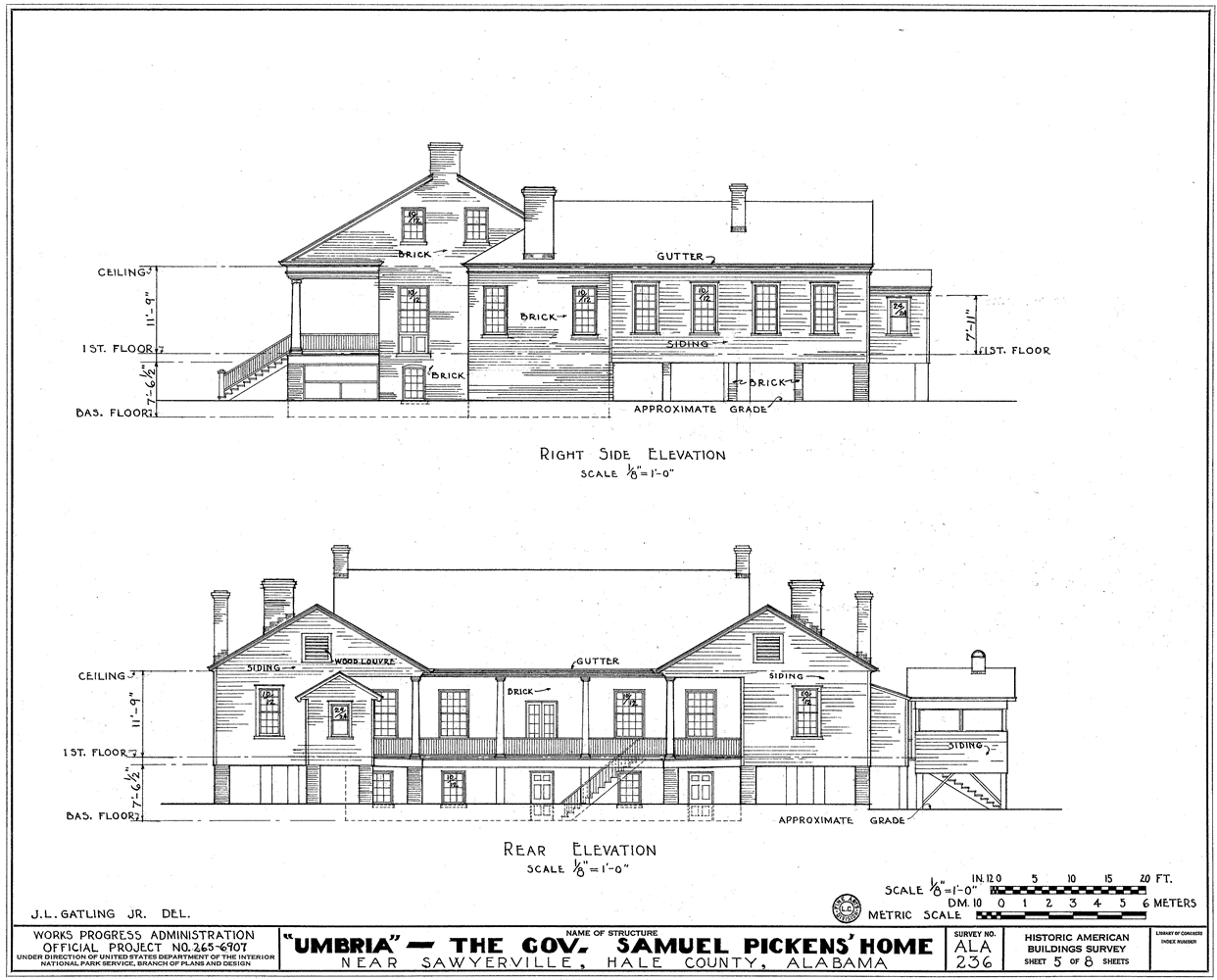
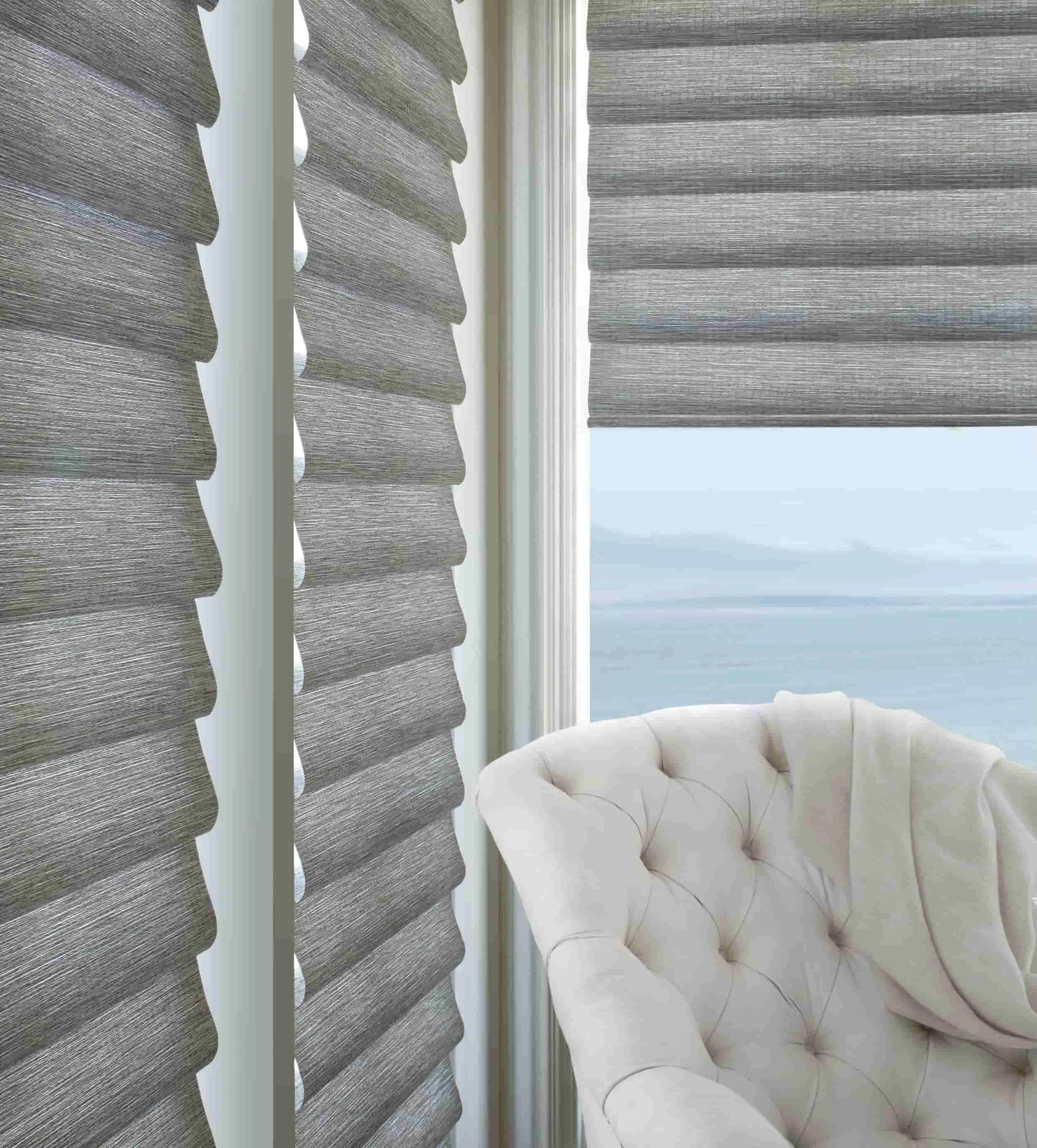


Architecture Terms
-
An accordion door is a door that opens by folding back in sections or panels.
-
An alcove is a section of a wall or room set back from the main space, often created by bay and bow windows, and it influences where window treatments can be installed or mounted.
-
Angled windows are windows that slant or create a triangular or trapezoidal shape, typically following the roofline and often covered with specialty shutters or shades that match the peak angle.
-
A window apron is a molding located below the windowsill on its frame that helps protect the structure from water and block drafts.
-
An architrave is an architectural element that rests directly on top of vertical columns and forms the bottom band of an entablature. In contemporary architecture, it often refers to a frame around a door or window.
-
Awning windows are windows hinged at the top that open upward and outward, requiring coverings that do not interfere with their operation.
-
A bay window is a group of three windows angled out to project from the primary wall, usually with one main picture window in the center and two flanking windows on either side.
-
Bow windows are configurations of four or five windows, angled to project from the primary wall, creating a curved or rounded exterior wall on a home.
-
A cap is a piece of wood trim placed on the top of the window casing as a finishing detail.
-
A casement window is a window with a hinge on one side that opens outward for ventilation.
-
Casing is the decorative molding or trim around a window that covers the space between the frame, jamb, and wall.
-
Cathedral windows are windows whose tops follow the slope of a cathedral ceiling, and their sloped upper portions are often left uncovered.
-
A check rail is the part of a window where the bottom of the upper sash and the top of the lower sash meet.
-
Clerestory windows are large windows placed above eye level, typically in a row near the roofline, used to bring natural light deep into an interior.
-
Concave shapes are shapes that curve inward, like an hourglass.
-
Convex shapes are shapes that curve outward, like a ball.
-
Corner windows are two windows that meet at a corner, typically at a 90-degree angle, and are sometimes called miter windows.
-
Crown molding is trim used at the junction of walls and ceilings, or around door and window hoods, and can sometimes obstruct specific window treatments.
-
Dormer windows are upright windows that project from and break the surface of a sloping roof.
-
On a double-hung window, the check rail is the area where the bottom of the upper sash and the top of the lower sash come together at the middle of the window.
-
Egress windows are windows large enough to serve as emergency exits, typically required in basements and opening to an exterior area that can accommodate an adult.
-
An eyebrow window is a semicircular window over a door or window, usually with sash bars like the ribs of a fan, and is also called a fanlight or lunette.
-
A French door is a door with rectangular panes of glass running most or all of its length, usually hung as a pair in a single frame, with both doors opening outward.
-
Hinges are metal components that allow a window to open and close by pivoting rather than sliding, with hinge placement varying by window type.
-
Hopper windows are small windows, often in basements, that are hinged at the bottom and open at the top to admit light and air.
-
Jalousie windows are windows made of multiple glass slats that open and close at an angle like blinds, providing excellent ventilation, and are commonly used in warm climates.
-
Jambs are the interior vertical side portions of a window frame.
-
A jamb liner is a strip installed on the jambs to cushion and separate the window glass from the frame.
-
A lock handle is a latch that locks a window when the handle is in one position and unlocks it in another. It comes in various styles.
-
Low-E glass windows are windows coated with a microscopically thin, transparent layer that reflects heat while allowing light in, reducing infrared and ultraviolet transmission, and improving energy efficiency.
-
Mullions are vertical members that separate panes of glass and, while once structural, are now primarily decorative.
-
Muntins are the intermediate upright bars in a windwindow that help distribute the wall's sight by evenly supporting the glass.
-
Obstructions are objects or architectural elements that must be worked around, and that can dictate where and how window treatments are installed.
-
An oculus window is a circular window resembling a ship's porthole.
-
An operator is a crank handle used to open and close a window.
-
A Palladian window is a large, three-part window with a taller arched center flanked by two smaller rectangular sections.
-
Picture windows are large, fixed windows designed to frame and maximize views, with no operable parts.
-
A window recess is the depth of the frame in which the window is set, and it is a key measurement for inside-mounted treatments.
-
A sash is the part of a window that holds the glass and framework, and depending on the window type, it may be movable or fixed.
-
A sash lock is a locking mechanism that works with a strike to secure a window sash and reduce rattling.
-
Screens are panels of mesh designed to fit into a window frame, keeping insects out while allowing airflow.
-
Sidelights are narrow windows or panes of glass set to the side of a door or larger window.
-
A window sill is a ledge on the bottom of a window opening.
-
A sill horn is the extended portion of a window sill that projects beyond the casing, often seen in traditional homes with more elaborate trim.
-
Single-hung windows have a fixed upper sash and a movable lower sash.
-
Skylights are windows installed in a roof or ceiling to bring daylight into a space from above.
-
A sliding door is a door that opens by moving horizontally along a track rather than swinging.
-
Sliding windows open by gliding horizontally along their top and bottom tracks.
-
A window stool is the flat, horizontal molding that sits over the interior sill, between the jambs, and in front of the sash.
-
Transom windows are windows installed above or alongside a door, typically rectangular and either fixed or operable.
-
Vinyl windows are windows whose frames are made of vinyl, offering low maintenance, no painting, and long service life.
-
Weather stripping is a material, such as rubber, vinyl, felt, or metal, used to create a weathertight seal around windows and doors.
-
A weep hole is a small opening that allows water or condensation to drain out of a window system.
-
Window film is a thin material applied to glass to block UV rays, improve privacy, or help regulate temperature.
-
A window sill is the ledge at the bottom of a window opening.
Interior Design Terms
-
Abstract shapes are shapes that represent things in nature but are not perfectly realistic or literal.
-
An accent color is a shade used in smaller amounts in a space to add impact, interest, and contrast.
-
Accessible design is the process of creating interior spaces that are safe and easy to use for everyone, including people with disabilities, while remaining visually appealing.
-
Interior decorative accessories, like art, lighting, plants, area rugs, and wall decorations, enhance and reinforce its design style.
-
Aesthetics in interior design refers to the visually attractive characteristics of a design, including balance, color, movement, pattern, scale, and shape.
-
Analogous colors are three neighboring colors on the color wheel, usually including one tertiary color.
-
An angel bed is a canopy-style bed without front posts, with curtains that draw back at the head and a canopy that extends over only part of the bed.
-
Antique brass is brass treated to look aged, with a rich, deep brown tone and golden undertones reminiscent of naturally aged brass without heavy patina.
-
Anodizing is a chemical process that creates a durable, etched coating on metal surfaces.
-
An antique is an item, building, or piece of furniture that is generally at least 100 years old.
-
Arabesque is a decorative pattern of interlaced flowers, foliage, fruits, urns, and scrolls, often symmetrical and used in carvings, plasterwork, or textiles.
-
Art Deco is a design style that emerged in the early 20th century, characterized by bold geometry, symmetry, rich materials, and a focus on modern, functional glamour.
-
Art Nouveau is a design movement known for its flowing, sinuous lines, organic forms, and nature-inspired motifs that capture the spirit of its era.
-
The Arts and Crafts movement is a design approach that emphasizes craftsmanship, simplicity, and honest materials rather than ornament and excess.
-
Artisan style is a design aesthetic that highlights handcrafted details and elements rooted in the material or regional traditions.
-
Asymmetry in design is a composition in which elements are not mirrored but still feel visually balanced.
-
Balance in interior design is the principle of arranging elements so that visual weight is evenly distributed, creating a space that feels stable and harmonious.
-
A banquette is a long, low, cushioned seat, typically built-in or placed against a wall, that accommodates more than one person.
-
Baroque style is a design aesthetic characterized by dramatic forms, rich colors, and intricate ornamentation that convey a sense of grandeur.
-
A batten is a narrow strip of wood attached to a wall to support fabric, paneling, or other finishes.
-
Bauhaus style is a design philosophy that embraces “les" is more,” fa"oring simple geometric forms and functional design with minimal ornament.
-
A bed frame is the supporting structure or base on which a mattress (and often a box spring) rests.
-
Bespoke design refers to items that are custom-made or explicitly tailored to a client's requirements, tastes, and functional needs.
-
A bedspread is a decorative bed covering that typically drapes to the floor on three sides and often covers the pillows.
-
A bench cushion is a padded cushion designed for use on a bench, providing comfort and style, often with an attached back.
-
A boudoir pillow is a small decorative pillow, usually around 12” x 6”, used to add an elegant accent.
-
Birch is a light-colored hardwood with a fine grain, commonly used for cabinetry, furniture, floors, and veneers.
-
Boho style is a free-spirited, eclectic aesthetic that layers vintage and new pieces, rich textures, global patterns, and relaxed furnishings.
-
A bolster pillow is a cylindrical pillow often used for support or decoration and sometimes finished with decorative trim.
-
A box ottoman is an upholstered piece with a hinged seat that lifts to reveal storage space inside.
-
A box spring cover is a fabric sleeve that conceals the box spring and gives the bed a more finished look.
-
Brass is a bright, gold-toned alloy made of copper and zinc.
-
Brushed brass is brass that has been abraded to create a softer, matte surface rather than a high shine.
-
Burnished brass is a brass finish with a warm, slightly darkened tone, sitting between polished and antique brass and sometimes developing additional patina.
-
Brushed nickel is nickel that has been textured to create a soft, brushed appearance with a warm metallic sheen.
-
Button tufting is a traditional upholstery method. It involves fastening buttons through fabric and foam, pulling them tightly into the backing to form soft, decorative dimples. These dimples are often arranged in diamond shapes.
-
California chic design is a contemporary style that combines relaxed bohemian influences with elevated, modern touches, such as warm neutrals, soft blush tones, and organic textures.
-
A California king is a mattress size that is longer and slightly narrower than a standard king, typically about 72–74 inches wide by 84–86 inches long.
-
A canopy bed is a bed with four posts and overhead supports that allow fabric to be draped, creating a sense of enclosure and luxury.
-
A channel back is a furniture style where the backrest is formed by vertical, padded channels that create a sculptural, shell-like effect.
-
Cherry is a fine-grained hardwood that deepens in color over time and is widely used in fine furniture and cabinetry.
-
Chic design is an elegant, stylish look that feels effortless and modern rather than fussy or overdone.
-
Chinoiserie is a decorative style that uses motifs inspired by traditional Chinese art—such as pagodas, landscapes, and flora—to add an exotic, luxurious note.
-
Chrome is a shiny metal finish created by plating an object with chromium, though it can also be produced in more muted satin or brushed versions.
-
Classic design is appealing over time and often incorporates traditional proportions and motifs.
-
Coastal design is an interior style inspired by seaside living, using light neutrals, blues, natural textures, and breezy, relaxed furnishings.
-
Colonial interior design is a style rooted in 18th‑century America, characterized by simple silhouettes, classic detailing, and traditionally inspired furnishings.
-
Color is the visual sensation produced when light reflects off an object and is perceived by the eye.
-
Colorfast fabrics are textiles that retain their original color without significant fading or bleeding when exposed to light, washing, or everyday use.
-
Color harmony is the pleasing relationship between colors in a scheme, making them feel cohesive when used together.
-
Color intensity is the measure of how bright, vivid, or dull a color appears.
-
A color scheme is the chosen combination of colors used to create the look and mood of an interior.
-
Color undertones are the subtle underlying hues within a color that influence whether it appears warm, cool, or neutral.
-
Color temperature is a numerical description of the warmth or coolness of a light source or color, expressed in degrees Kelvin.
-
Color washing is a decorative painting technique that applies thin layers of translucent color to create depth and softness on walls.
-
Combing is a faux-finishing technique that drags a comb-like tool through paint or glaze to create linear patterns.
-
A comforter is a thick, quilted bed covering filled with batting to provide warmth and a plush look.
-
Complementary colors are pairs of colors opposite each other on the color wheel that neutralize each other when mixed.
-
Contemporary design is a current, trend-aware style that emphasizes clean lines, open space, and practical, modern materials.
-
A continental pillow, or Euro pillow, is a large, square pillow, often 24 inches, used for back support and layered bed styling.
-
Contrast is the deliberate use of opposing elements—such as light and dark, smooth and rough, or large and small—to create visual interest.
-
A conversation piece is a distinctive object that naturally draws attention and prompts guests to comment or ask questions.
-
Cornice and coving are decorative moldings installed at the junction of walls and ceilings to soften the transition and add architectural detail.
-
Country style is a casual, cozy aesthetic that uses natural materials, vintage or heirloom pieces, traditional patterns, and rustic finishes.
-
Couture soft goods are custom textiles—like draperies or bedding—crafted with elevated design, fine materials, and meticulous artistry.
-
A coverlet is a lightweight bed covering that typically falls to the bottom of the box spring, adding an extra layer of warmth and style.
-
A cushion is a soft, padded insert covered in fabric that adds comfort and decorative interest to seating and beds.
-
A daybed is a versatile piece that functions as both a sofa and a bed, usually with a back and two sides.
-
A design rendering is a scaled drawing or visualization that shows how a proposed design will look in a space.
-
Distressing is the intentional aging of furniture or finishes to give them a worn, timeworn appearance.
-
A dressmaker skirt, or waterfall skirt, is a tailored, continuous fabric skirt on furniture that hides the legs and resembles a dress.
-
Dry brushing is a painting technique in which a nearly dry brush is used to apply color lightly, creating a soft, textured effect.
-
A dust ruffle, or bed skirt, is fabric that hangs from the box spring to the floor to conceal the bed frame and add decorative detail.
-
A duvet cover is a removable fabric cover that encases a duvet insert and can be changed to update the bed's look.
-
Eclectic design is a style that thoughtfully mixes elements from different eras and aesthetics into a cohesive whole.
-
An elevation is a two-dimensional drawing that shows a vertical view of a wall or interior surface, helping to plan layout and details.
-
Empire style is a design aesthetic influenced by the Napoleonic era, featuring grand classical forms and a mix of strong lines and curves.
-
English style is an interior look known for its layered comfort, traditional furnishings, and sense of lived-in elegance.
-
Faux bois is a decorative technique that imitates the look of wood grain or tree bark on objects that are not actually wood.
-
Federal style is an American design style from the late 18th and early 19th centuries featuring light color palettes and elegant, symmetrical patterns.
-
A finial is a decorative element that caps the end of a rod, post, or similar feature, adding a finished detail.
-
Firmness is the perceived and actual level of support provided by a material, influenced by structure, padding, and upholstery.
-
A flange is a strip of fabric extending beyond the pillow's seam to create a framed effect.
-
Fluting is a series of shallow vertical grooves used as a decorative element on columns, furniture legs, or drapery rods.
-
A focal point is the primary area or feature in a room that naturally draws the eye.
-
Form is the three-dimensional shape of an object and how it occupies space.
-
Form follows function is the principle that a design's shape should be primarily based on its intended purpose.
-
A frame is the internal structural skeleton of an upholstered piece or other furniture item.
-
French country style is a warm, rustic-elegant look that blends antique furniture, natural materials, and romantic patterns.
-
French mattresses are tall cushions with rolled edges and characteristic tufting that give a bench or window seat a tailored, European look.
-
Grasscloth is a natural wallcovering made from woven plant fibers that adds texture and organic warmth to walls.
-
A grille is a decorative lattice of wood or metal used over glass doors on furniture pieces.
-
Grisaille is a painting technique using shades of gray to create the illusion of sculpture or depth.
-
Harmony is the sense of unity in a design created by repeating or echoing similar elements.
-
Hollywood glam, or Hollywood Regency, is a luxurious style combining high-contrast color, reflective surfaces, and vintage glamour.
-
Hue is another word for a specific pure color on the color wheel.
-
Industrial style is an interior look that celebrates raw materials like brick, concrete, and metal, often in loft-like spaces.
-
Jacobean design is a richly detailed English style featuring heavy woodwork, ornate carving, and patterned textiles.
-
Kiln drying is a controlled process of drying lumber in a heated chamber to stabilize and strengthen the wood.
-
Lacquer is a hard, glossy finish applied to furniture or surfaces to create a smooth, reflective coating.
-
A lattice is an open framework of crisscrossed strips used decoratively on furniture, walls, or garden structures.
-
The Lawson silhouette is a sofa style with simple lines, square seat cushions, and slightly rolled, lower arms.
-
Layering is the practice of combining multiple elements—such as textiles, finishes, and accessories—to build visual depth in a room.
-
Lead time is the period between placing an order and delivering the finished item.
-
Limewash is a mineral-based wall finish made from slaked lime and water, creating a soft, chalky, variegated look.
-
Lucite is a premium acrylic material known for its clarity and is often used in modern, transparent furniture.
-
Mahogany is a dense, durable tropical hardwood with a rich color that deepens over time, commonly used in fine furniture.
-
Maple is a strong hardwood with a smooth, light grain, popular in cabinetry and flooring.
-
Matte is a non-reflective, flat finish that diffuses light rather than reflecting it.
-
Maximalism is a bold design philosophy that embraces rich color, pattern, and a high density of objects and art.
-
A metallic finish is a surface treatment that mimics the reflective quality of metal.
-
Midcentury modern design is a mid-20th-century style characterized by streamlined forms, organic curves, and an integration with nature.
-
Minimalist style is an approach that focuses on simplicity, functional essentials, and visual clarity with minimal ornament.
-
Modern farmhouse is a style that blends rustic farmhouse elements with contemporary finishes and fixtures.
-
Molding is a shaped trim piece used to transition between surfaces or add decorative detail.
-
Monochrome interior design is a scheme that relies on variations of a single hue to create a cohesive, tonal space.
-
A mood board is a curated visual collage of images, colors, textures, and materials that captures the overall feeling and direction of a design concept.
-
Moody design involves creating an atmosphere that evokes a specific emotion or feeling through color, texture, lighting, and decorative accessories.
-
The Moroccan style features intricate patterns, shimmering mosaic tiles, and ornately carved wood accents, creating an artisanal feel. Heavily textured walls, jewel-tones, and intricate metal lanterns complete the picture of a perfectly layered interior, evoking an exotic, mysterious vibe.
-
A motif is a recurring element—such as a symbol, shape, or pattern—that appears throughout a design to create cohesion and recognition.
-
Neoclassical design is inspired by the architecture of ancient Greece and Rome. It is known for its clean lines, simple shapes, and balanced proportions. The style became popular in the 18th century when people began to look to the past for ideas. Today, neoclassical design stands out for its elegant and polished appearance.
-
Neutral colors, such as white, beige, gray, taupe, or black, tend to recede visually and pair easily with many other hues.
-
Oak is highly durable, easy to work with, and looks excellent when stained or with a clear, natural finish. Oak wood comes in several hues, but its grain pattern is unique, making it an easier species to recognize. Oak can take on many different looks because more than 60 varieties are growing in the US alone.
-
An ogee is a molding detail with a double curve or S shape.
-
Open concept is a floor plan without walls or doors separating the shared living spaces.
-
An ottoman is an upholstered, overstuffed footstool, seat, or couch, usually without a back.
-
Patina appearance refers to the unique luster or sheen that develops with use. It often features a soft, muted color palette and subtle texture variations for a gentle, inviting effect.
-
A pillow sham is a decorative pillow cover, often with flanges or other special details, designed to dress up a sleeping pillow.
-
A pillow top is an extra layer of padding on a mattress, made from soft materials like foam or fiberfill, that provides a plush, comfortable sleeping experience. It enhances support and provides pressure relief. Pillow tops vary in thickness and material, and they complement the mattress core, which may be innerspring coils or memory foam.
-
Polished brass is finished with a lacquer to prevent tarnishing and patina.
-
A pouffe is a stuffed footstool that stands high enough to be used as a seat.
-
Polished nickel is a shiny, reflective finish with a warm, pinkish tint. People often compare it to the timeless look of polished brass. Its elegant style makes it a popular choice for home decor and interior design, fitting well with a wide range of looks.
-
Poly Dacron Wrap uses a polyester layer and a polyurethane foam core to make cushions that are both comfortable and long-lasting. People like this method because it provides soft seating and holds up well to everyday use, making it a common choice in furniture.
-
The primary colors are red, green, and blue. Primary colors can’t be made by mixing other colors.
-
Proportion is the relationship between the sizes of elements within a space, determining whether the pieces feel appropriately scaled to one another.
-
Rattan is a solid vine-like palm native to Asia that is used to make caning and wicker.
-
Reeding is an ornamental carving characterized by rounded, convex ridges.
-
Relief is an architectural ornamentation that stands out from its surrounding surface or background. Relief adds visual and textural interest, definition, and depth to an interior space.
-
Retro is a term used for the style from the 1940s through the 1960s.
-
Rhythm refers to the way individual design elements are tied together in a subtle pattern. Rhythm plays a significant role in how the space is perceived, both in its functionality and aesthetic appeal.
-
Satin brass is a smooth, brushed metal finish with a low sheen. It offers a warm, muted gold appearance that is elegant and understated, without being overly glossy or reflective.
-
A satin nickel finish is created by first plating the surface with copper, then adding a layer of nickel, and finally applying a protective lacquer. Unlike brushed nickel, satin nickel has a smooth, non-textured appearance.
-
Scale is the size of an object in relation to its surroundings, affecting whether a piece feels too large, too small, or just right.
-
Secondary colors are formed by mixing equal parts of two primary colors. On the traditional color wheel, these secondary colors—orange, purple, and green—are positioned between the primary colors that create them.
-
A sectional sofa is a large seating piece composed of multiple joined sections that can be configured in different layouts.
-
Serpentine is a furniture or trim treatment formed by alternating convex and concave curves.
-
Shabby chic style, inspired by British country homes, features vintage furniture, slipcovered upholstery, and distressed décor. It uses soft colors, floral patterns, and whitewashed floors and walls, accented by touches of glamorous lighting for contrast.
-
A shade is a color darkened by adding black, creating a deeper version of the original hue.
-
Sheen is the degree of gloss or shine on a surface, ranging from flat to high gloss, affecting how light reflects in a room.
-
Sinuous springs are zigzag-shaped springs that offer comfort and support derived from the springs’ resiliency. Attached to the frame with steel clips or tacks, these springs are connected by helical springs.
-
A slipcover is a removable cover over upholstered furniture.
-
Space refers to the three-dimensional physical area within a room. It includes the layout, the room's volume, and the characteristics of the surrounding environment.
-
Space planning is the process of arranging furniture and circulation paths so a room functions well and feels comfortable.
-
A split complementary color scheme uses two colors across the color wheel, with those two colors lying on either side of the complementary color.
-
Squab cushions are loose, flat cushions for the seat of a chair.
-
Stainless steel is an alloy with at least 10.5% chromium and less than 1.2% carbon. It comes in various finishes and can be embossed or tinted, making it popular in architecture and design for its versatility and aesthetics.
-
A statement piece is a standout item—like a bold light fixture, art piece, or furniture—that draws attention and sets the tone for a space.
-
Symmetry is a balanced arrangement in which elements on one side of a central line mirror those on the other.
-
A table pad protects your dining table with soft felt on one side to prevent scratches and heat-resistant vinyl on the other to guard against hot dishes.
-
A table runner is a decorative fabric strip placed down the center of a dining table to add color and style for any occasion.
-
A tapestry is a heavy, woven fabric with decorative designs, hung on a wall. The term commonly refers to highly decorative fabrics with a woven design.
-
Tertiary colors are made by mixing a primary color with a closely related secondary color, resulting in six unique hues: blue-green, red-orange, yellow-orange, red-purple, blue-purple, and yellow-green.
-
Texture is the look and feel of a surface—smooth, rough, nubby, or glossy—that adds sensory interest to a room.
-
A throw pillow is a small, decorative pillow placed on a couch or an armchair. Throw pillows come in various sizes and shapes.
-
Timeless design is interior design that will never go out of style; it has staying power and is not meant to be temporary.
-
Tonal refers to a monochromatic color scheme of one primary hue with various tints and tones of that color added in.
-
A tone is a color that has been softened or muted by the addition of gray, resulting in a more subdued hue.
-
To-the-trade means products are sold only to designers and related businesses and not directly to the general public.
-
Transitional style is a blend of traditional and contemporary design elements that creates a balanced, timeless look.
-
Traditional style does not follow current trends and is, therefore, timeless. Traditionally decorated homes have curated, polished décor. Their neutral walls are a backdrop for dark, ornate, solid wood furniture made from cherry, walnut, or chestnut. Soft furnishings often sport brocade or velvet fabrics in muted colors such as burgundy, brown, green, or eye-catching checkered or striped patterns.
-
A tuxedo silhouette features high, straight, or flared arms that match or nearly match the height of the back. Arms are designed at, or close to, the same height as the sofa or chair back.
-
Unlacquered brass is brass that lacks a protective lacquer coating. This lack of coating allows it to naturally tarnish and darken over time as it is exposed to air and wear.
-
Upholstery is the process and materials used to cover furniture frames with padding, springs, and fabric or leather.
-
Veneer is a thin slice of high-quality wood applied over a less expensive substrate to achieve a premium look with less solid lumber.
-
Verdigris is a greenish-blue patina that forms on copper, brass, or bronze surfaces.
-
Visual texture is imagined, and our perception of what a surface might feel like. Visual texture adds interest and heightens the sensory experience.
-
Visual weight is the perceived heaviness or lightness of an object based on its size, color, and placement in a space.
-
Walnut is a dark-colored hardwood with a fine texture that resists shrinking and warping. It finishes very well and is commonly used for furniture, cabinets, and wall paneling.
-
Webbing consists of individual fabric strips that interlace in upholstered furniture to create a more comfortable seat and extend the cushion's life.
-
Wrought iron is a type of iron that has been heated and then shaped by hammering and bending.
Blinds, Shades & Shutters Terms
-
Aluminum blinds are hard window treatments made of lightweight metal slats that tilt to control light and privacy, and are often chosen for their durability and slim profile.
-
Automation involves integrating motorized window treatments with other home systems (like lighting, HVAC, security, and entertainment) for centralized control. This setup enhances comfort, convenience, energy efficiency, and security. Automated window treatments can operate on schedules, respond to environmental changes, or use sensors, improving both the functionality and appearance of a home.
-
Bamboo shades are made from natural bamboo or woven wood and offer a rustic and eco-friendly look.
-
Blackout window treatments are coverings made from opaque materials that block all external light when closed. They are ideal for spaces needing complete darkness, such as bedrooms or home theaters, and can also help with temperature regulation and energy efficiency.
-
Window blinds are coverings for windows made of adjustable slats, called louvers, which can be rotated to control light. They come in vertical or horizontal styles and are made from materials like wood, plastic, or metal.
-
The bottom rail is the horizontal piece at the base of a window blind. It secures the cords and ladders, adds weight for stability, and is usually made from wood, faux wood, or metal.
-
A bottom rail tape button is a small plastic piece that snugly fits into the small openings at the bottom rail of a blind. It secures the ladders to the bottom rail.
-
A braided ladder is made of polyester strands with rungs that blind slats lay on top of for support.
-
Café shutters cover only the bottom half of a window, providing privacy while allowing natural light to enter from the top.
-
A cassette is a curved, stylish cover that conceals the hardware of blinds or shades, creating a clean look.
-
Cellular shades are fabric shades constructed with honeycomb-shaped cells that trap air, providing insulation, light control, and energy efficiency at the window.
-
Center tilt blinds feature a centrally located tilt wand, making it easy to adjust slat angles for precise control over light and privacy. They offer a convenient, safe, and stylish window covering solution with a sleek, uniform appearance—ideal for both homes and offices.
-
Cloth tape is a decorative, braided cloth in various colors that replaces standard cord ladders on blinds.
-
A continuous cord is a looped cord on shades or blinds that runs from the top (headrail) to the bottom rail, letting you raise or lower the treatment by pulling either side.
-
Controls are used to raise, lower, and tilt a window treatment.
-
Cutout is a procedure in which a section of a window treatment is cut out to allow clearance for obstacles in its path.
-
Double-cell shades have two layers of fabric that trap air, providing better insulation than single-cell shades.
-
A dust board is a piece of wood covered with fabric and used as a base to hold a top treatment or shade.
-
Edge binding (or banding) is a decorative fabric trim applied to the sides and bottom of woven wood shades. It comes in various solid colors and patterns, enhancing your home décor and giving the shades a polished, finished appearance.
-
A fascia conceals the front and top of the roller shade, as well as the mounting hardware. They protect the fabric from long-term dust collection.
-
Faux wood blinds are horizontal blinds made from composite or PVC materials that mimic the look of real wood while offering increased moisture resistance and durability.
-
A fixed louver is stationary and does not move or pivot.
-
Hard window treatments are non-fabric window coverings—such as blinds, shutters, and many shades—constructed from rigid materials like wood, faux wood, metal, or composite.
-
A headrail is used to house a shade’s control mechanism and to mount the shade. It comprises the track and all components necessary for the specific treatment.
-
Honeycomb shades are fabric shades that use air pockets to maximize energy efficiency, insulating against heat and cold. Honeycomb shades are also known as “cellular shades.”
-
Ladder grommets are metal clips that are compressed at the bottom of the ladder, at the ends of the blind. They level the bottom rail and secure the ladders.
-
A lift is a mechanism that raises and lowers blinds or shades. Common types include cordless, continuous cord, top-down/bottom-up, and motorized systems.
-
Light control is the ability to adjust and manage the amount of light entering a space.
-
Light-filtering treatments let in natural light when lowered. More opaque or darker fabrics block more light, while lighter fabrics let more light through.
-
A loop ladder is used on routeless blinds. The front and back of each ladder have loops through which the cord is laced.
-
A louver is an individual slat or blade—commonly found in blinds and shutters—that can be tilted to control privacy, light, and airflow.
-
Motorization lets you control blinds, shades, or curtains with a remote, app, or voice—no cords needed. Key benefits include convenience, safety, and automation (set schedules or automate).
-
Multiple blinds on one headrail refer to blinds hung consecutively on the same headrail. Large blinds can be challenging to operate, so breaking a large blind into two or more smaller ones makes it much easier to use and will extend the life of the lifting mechanism.
-
Natural shades are Roman-style shades made of natural materials such as wood, fibers, bamboo, and grasses. Natural shades are also called “woven wood” shades.
-
Openness refers to the degree of visibility and light filtration the shade's fabric provides. The weave or density of the fabric determines the level of transparency. Solar shade fabrics are typically categorized by their "openness factor" as a percentage. This percentage indicates the amount of open space within the fabric weave. For example, a solar shade with a 5% openness factor means that 5% of the fabric is open, allowing 5% of light to pass through, while the remaining 95% is opaque. The choice of openness factor depends on the desired level of privacy, the amount of natural light desired, the windows' orientation, and the space's specific needs.
-
Panel track blinds are sliding panels made of fabric or natural materials mounted on a track system and are ideal for large windows or sliding glass doors.
-
Plantation shutters feature tilted louvers, like slats on blinds, mounted to the window frame. They can be opened like doors.
-
Pleated shades look more like blinds than shades. They are made of accordion-pleated fabric, sometimes even fibrous paper, which is raised and lowered with cords like a blind. It must be raised to see outside.
-
Privacy refers to how much of a view is blocked when the window treatment is fully closed. Sheer fabrics do not provide privacy, while blackout fabrics are considered private.
-
A reverse roll shade is a window shade in which the fabric rolls off the front of the tube, hiding the hardware and sitting farther from the window for a cleaner look.
-
Roller shades are simple window coverings made from a solid sheet of material that is raised or lowered using a roller mechanism.
-
Roman shades are fabric window coverings that fold into pleats when raised. They combine classic style, light control, easy use, and space-saving design—making them a practical, elegant choice for any home.
-
Room darkening refers to reducing the light passing through a shade to darken a room. No window treatment can completely block a room, but it can reduce light by up to 99%.
-
A route hole is an opening in in blind slats through which the lift cords pass.
-
Routeless blinds feature notches instead of routed holes in each slat, enhancing privacy and blocking more light. Additionally, the slats can be easily removed for cleaning.
-
Semi-opaque fabric provides moderate light control, allowing images and shapes to be seen without their details.
-
Window shades are fabric or synthetic coverings that can be raised or lowered with a cord. They come in various styles, including cellular, pleated, roller, Roman, woven wood, and outdoor shades.
-
Shutters are a paneled window treatment that uses louvers for light control. The elliptical shape of the louvers maximizes the light-controlling aspect and acts as an excellent insulator when closed.
-
Slats are an integral part of a horizontal blind that controls the amount of light that goes through.
-
Solar shades are roller-style shades made from screen-like fabric that reduce glare and UV rays while preserving outward views during the day.
-
A stop ball is a circular piece that joins all lift cords as they exit the headrail. It is used on all blinds to prevent cords from tangling and reduce the risk of strangulation.
-
A tape roll is typically metal in 1” and 2” products. Nylon tape rolls with cotton tapes are used for blinds. Plastic tape rolls are also known as “tape drums.”
-
Tassels attach to the ends of cords to lift or tilt blinds, usually color coordinated. Tassels are wood on wood blinds, PVC on faux wood and wood Impressions, and plastic on metal and cellular shades.
-
A shade that opens from the top of the window instead of the bottom; when fully open, the window covering stacks at the bottom.
-
Top-down, bottom-up window treatments offer flexible light control and privacy by adjusting from both the top and bottom, making them a practical and stylish choice for any window.
-
Triple cells are a type of cellular shade construction that offers superior insulation through three layers of cellular fabric.
-
Vanes are plastic or fabric slats or louvers mounted onto a headsail for vertical blinds.
-
Venetian blinds have horizontal slats that can be tilted to control light and privacy.
-
Vertical blinds are window treatments in which the slats run up and down rather than left to right.
-
Wood blinds are window coverings with horizontal wooden slats connected by cords or tapes, allowing you to adjust light and privacy by raising, lowering, or tilting the slats.
-
Woven wood shades are made from natural materials such as bamboo, grasses, or reeds, adding texture and warmth to a space.
Soft Window Treatments Terms
-
An ascot valance is a “V” shaped fabric, trimmed with tassels or beads, that can be used free-standing or as a top treatment over panels or poles.
-
Austrian Roman shades, also known as Austrian curtains, are window treatments with billowing fabric folds that create elegant swags when raised. They add a luxurious and dramatic touch, making them ideal for traditional or formal interiors.
-
Back tab drapes have fabric tabs on the backside of the header. The drapery rod slides through these tabs.
-
A balloon shade is a soft fabric window treatment that lifts into full, billowy poufs when raised, creating a romantic, decorative look rather than a crisp, tailored one.
-
A bell valance is a pleated or shirred valance with a hemline that simulates a series of bell shapes.
-
Bishop sleeves are long drapery panels of lightweight fabric tied back slightly above the midpoint to form a billowing drape above and a flowing effect below.
-
Board-mounted valances are decorative window treatments where fabric is attached to a board and installed above the window. They serve to conceal window hardware and enhance the window's appearance.
-
A box pleat is a fabric-folding technique in which two sections are folded toward the center from the back, creating a box-like pattern for a full, tailored look. Unlike inverted pleats, which fold edges together, box pleats fold fabric sections away from each other.
-
A break in drapery is the small amount of extra length that allows a drapery panel to rest or “kiss” the floor instead of hovering just above it, giving the drapery a softer, more custom look.
-
Café curtains are short fabric curtains that cover only the lower portion of a window, providing privacy at eye level while allowing natural light in at the top.
-
A cantonnière is a decorative cornice placed above a window, often featuring ornate details. It adds elegance to traditional or formal rooms but can also suit modern or casual styles depending on its design.
-
A Cape Cod curtain is a café curtain with ruffles along the sides and bottom.
-
Cartridge pleats are elegant, modern-style pleats made from folds that allow the fabric to fall in neat, cylindrical curves.
-
A cascade is a top treatment of loose material that falls in zigzags on either side of the window. Cascades are most used with swags and are sometimes called a “jabot” or a “tail.”
-
Center draw drapery is a pair of drapery panels that open and close from the center, meeting in the middle of the window when closed and stacking to each side when opened.
-
Cornices are hard top treatments, meaning the fabric is often upholstered to a board with no loose fabric hanging at the bottom. They are available in various shapes and sizes to achieve the desired look.
-
A cornice board is a wood frame that is upholstered on the face and returns.
-
Curtains are fabric panels, usually lighter and shorter than drapes, and often come in pairs. They can be operable or stationary, are typically unlined, and are considered less formal than draperies, which are heavier, more functional, and used in formal settings.
-
Custom window treatments are bespoke and made to order in a workroom.
-
Decorative side panels are stationary drapes or curtains hung on either side of a window in pairs or multiples.
-
Decorative soft window treatments do not perform a function. Typically, these treatments do not open or close; they remain in a fixed position. Examples of decorative soft window treatments include stationary side panels, cafe curtains, and top treatments.
-
Double-hung draperies feature two independently operated layers of curtains—usually a sheer inner layer and a heavier outer layer—on the same window. This setup offers flexible control over light, privacy, and insulation.
-
Draperies are fabric window treatments that control light, provide privacy, insulate rooms, and enhance decor. Made from materials like silk, velvet, and cotton, they come in various styles, colors, and patterns.
-
A drapery panel is a length of fabric—typically lined and custom fabricated—that hangs from a rod or track to frame a window and provide both light control and privacy.
-
Chain or lead weights are sewn in at the vertical seams at each corner of drapery panels to ensure straight hanging.
-
An empire valance is a pleated swag-style valance. Empire valances have bell ascots that are self- or contrast-lined and are mounted on a board with a self-fabric dust cover and self or contrast welting on the top edge.
-
A Euro pleat is a drapery pleat sewn at the top of the heading. This pleating style is very similar to the traditional pinch pleat but offers a more streamlined look by securing the pleats at the top, allowing the fabric to billow down freely to the floor.
-
A faux Roman shade is a stationary window valance that imitates the look of a Roman shade but cannot be raised or lowered. It is used purely for decorative purposes, offering a stylish and elegant accent to a room without providing adjustable light control.
-
Finished length is the final measured length of a soft window treatment, from the top of the header or hardware to the bottom hem, after all allowances and details are accounted for.
-
Flat panel drapery is drapery with a flat heading that hangs from drapery grommets or a traversing rod. It is not hanging from a rod pocket and has no pleats.
-
Flat Roman shades feature a clean, streamlined look with no visible seams or folds when fully extended. The fabric lies flat against the window when the shade is lowered, creating a sleek appearance. Flat Roman shades are ideal for modern and minimalist interiors.
-
Fullness in drapery or soft shades is the ratio of fabric width to the rod or window width, determining whether the treatment looks generous and richly gathered or more flat and minimal.
-
A goblet pleat is a cylindrical pleat pinched and tacked at the bottom to resemble a goblet. This pleat is ideal for formal rooms with high ceilings.
-
Grommets are small metal-reinforced eyelets placed into fabric or other materials, such as plastic. They provide a secure and neat way to thread a rod through the drapery header without damage.
-
Grommet curtain panels have round metal openings, called grommets, evenly spaced along the top edge of the curtain, where the rod or pole can be inserted.
-
The top drapery style is the drape's head, header, or heading. We use "header" to refer to your custom drapery style. Header styles include pinch pleat, Euro pleat, box pleat, and ripplefold, among many others.
-
Hobbled Roman shades have cascading fabric folds that create overlapping loops at the bottom, adding texture and depth. They are popular for traditional or transitional interiors.
-
An inverted pleat brings two fabric edges together at the center with folds facing away, hiding bulk behind the drapery header for a smooth, modern look. Unlike box pleats, which fold outward, inverted pleats fold inward.
-
An inverted box pleat valance is a tailored box pleated valance formed by two equal folds of fabric, folded towards the center of the pleat at the front of the fabric.
-
A jabot is made of folded fabric that falls decoratively between two sections in a top treatment. The term is also sometimes used for folded fabric that falls in a zigzag fashion down the sides of the top treatment. Jabots are sometimes called “cascades” or “tails.”
-
A kick pleat is an inverted pleat commonly used in decorating, especially on the corners of skirts for upholstered furniture, bed skirts, and valances. It adds visual interest and provides extra fullness and function to fabric panels in soft furnishings.
-
Knife pleats are narrow, evenly spaced folds of fabric sharply pressed in the same direction on the right side of the fabric, with each pleat being three layers of fabric thick. Knife pleats are frequently seen on table and bed skirts, swag styles, and upholstered furniture.
-
A lambrequin is a decorative window or door treatment, often made of luxurious fabric with ornamental features. Originating in Renaissance and Baroque Europe, it hides hardware, insulates, and adds elegance—now making a comeback in modern interior design.
-
Layered window treatments are multiple window treatments used together to create a desired effect. Typically, a combination of hard and soft treatments, some with a functional purpose and others with a more decorative effect.
-
The leading edge of a drapery panel is the inside vertical edge that meets another panel or the center of the window when the drapery is drawn closed.
-
Left stack refers to traversing drapes that open from the right side of the window and gather or “stack” on the left.
-
London shades are similar to flat Roman shades, but with additional fabric folds or pleats at regular intervals along the shade's width. These folds create a tailored, structured appearance, offering a sophisticated yet versatile option for a range of design styles.
-
A London valance is gathered at the bottom hem with relaxed ends and stirrups. It has self- or contrast-stirrups and is mounted on a board. Additional stirrups are added as the valance widens.
-
A no-fold swag valance is a soft, scalloped overlay valance. No fold swags sometimes have a trim accent on the bottom edge. They are mounted on a board with a self-fabric dust cover.
-
A one-way draw drapery is a single panel that opens and closes in just one direction, stacking entirely to either the left or right. It's usually operated with a traverse rod and is ideal for sliding doors, limited wall space, or when you want to keep the drapery away from a particular view.
-
Over-drapery is a generic term for drapes made from heavier-weight fabrics layered over under-drapes, usually sheers.
-
The overlap is the area in the center of a split-draw treatment where the two halves cross, reducing the amount of light between them.
-
A panel is a complete drapery, curtain, or glide section. It may represent the entire window covering (if consisting of only one panel) or just a portion, when multiple panels are necessary to span the window or door opening.
-
A pelmet is a decorative structure above a window that hides curtain rods and hardware. Made from rigid materials and covered with fabric, it comes in various styles and is used with curtains or blinds for added style and function.
-
A pencil pleat is a type of curtain heading made by folding and stitching fabric into evenly spaced vertical folds, creating a tidy, uniform appearance. Pencil pleat curtains are highly versatile, allowing you to adjust the fullness to suit your desired look.
-
A pinch pleat is a stylish curtain heading where fabric is gathered and sewn into evenly spaced pleats at the top, reinforced with buckram for shape. This classic, versatile design suits both casual and elegant interiors and remains a timeless choice for custom drapery.
-
Pleated valances are hung on a curtain or decorative rod with rings. They are lined with standard lining except for when sheer.
-
Pleating is a technique for creating volume by folding the fabric and tacking it to hold the shape at the top or sides. The most common pleat styles include single pinch pleat, double pinch pleat, triple pinch pleat, double Euro pleat, triple Euro pleat, inverted pleat, box pleat, cartridge pleat, and goblet pleat.
-
Pole-mounted valances are attached to a decorative pole or rod and mounted above the window. Mounting hardware is intended to be used as an ornamental feature, not hidden or disguised.
-
A pouf consists of fabric gathered and shaped into a rosette, used to finish a top treatment.
-
A Priscilla is a type of curtain featuring ruffles and tiebacks in the middle, often made from sheer or semi-opaque fabric. They may include smocking or embroidery and are usually paired with ruffled valances that meet or crisscross at the center. Priscillas are also known as "cape cod curtains."
-
A pull-up curtain is a panel of fabric pulled up on either side by cords, allowing the middle section to hang down in semi-circular folds like a garland. Pull-up curtains are sometimes called a “festoon.”
-
A puddle is a large amount of excess fabric lying on the floor.
-
Ready-made window treatments are an affordable and convenient option for dressing windows. They are mass-produced in standard sizes using cost-effective materials, making them accessible for those who want to enhance their space without spending much.
-
Relaxed Roman shades have a gentle curve or a relaxed fold along the bottom edge when lowered, creating a soft, casual appearance. They offer a more informal and relaxed look than the other Roman shade styles, making them well-suited for casual or coastal-inspired decor.
-
A return is the portion of the panel, valance, or cornice that wraps from the front of the rod or board-mounting back toward the wall, closing the light gap at the side and giving a tailored, finished appearance.
-
Right stack refers to traversing drapes that open from the left side of the window and gather or “stack” on the right.
-
Ripplefold is a drapery style that attaches to a track using a snap tape sewn onto the top of each panel. This style creates smooth, evenly spaced folds in the fabric, resulting in a clean, modern look.
-
Rod-mounted valances have material attached to a decorative rod and mounted above the window. Mounting hardware is intended to be used as an ornamental feature, not hidden or disguised.
-
Rod pockets are open-ended fabric sleeves that allow a curtain rod to be inserted. Sometimes also called a “casing.”
-
Rod pocket draperies have a pocket sewn into the top (and sometimes the bottom) to allow a rod to slide through for a gathered treatment.
-
Roman shades are fabric window coverings that can be raised or lowered with a cord and a ring sewn to the back of the fabric. When raised, the fabric stacks evenly in horizontal folds.
-
Sash curtains are usually made with a semi-sheer fabric, shirred on both the top and bottom, and hung on the sash.
-
Scarves are a type of top treatment made from loose, free-flowing fabric lengths slung or draped over a decorative rod. Scarves are not designed to hide the hardware but to enhance its look.
-
Sheers are fabric panels made from translucent materials such as chiffon or voile, allowing some filtered light to pass through and into the room.
-
A soft cornice is a window treatment in which a cornice frame is covered and tightly upholstered in fabric, giving it a smooth, seamless, and softer look than traditional wood-finished cornices.
-
Soft window treatments are made from soft materials such as textiles or fabric. The most common soft window treatments are drapes, curtains, sheers, Roman shades, valances, and swags.
-
A soft-fold valance with ties is a mock Roman-style valance with contrast or self-stirrups. Contrast welting is available with contrast stirrups, and the number of pleats will depend on the length.
-
Split-draw drapes are traversing drapes that open from the center of the window. A split draw is also called a “center draw.”
-
Stack back is the amount of space on each side of the window needed to hold drapery panels when fully drawn, ensuring the fabric clears the glass.
-
A stagecoach valance is a casual top treatment that resembles a roll-up shade, typically with two vertical ties or bands that can be simple or embellished with decorative details.
-
Stationary window treatments are unmovable, stay in one position, and are decorative. An example of a fixed window treatment would be a decorative side panel.
-
A swag is a decorative window treatment made from draped fabric that forms pleats and a scalloped bottom edge. It is attached to hardware at the top of the window, framing the upper part. Swags can be used alone or paired with other top treatments for added style.
-
Tab-top curtains are a casual heading option with fabric loops spaced along the top of the curtain that attach to the rod.
-
Fabric gathered on the ends of specific top treatments, usually with straight sides and a bottom.
-
A tieback is a decorative band, rope, or fabric piece used to pull drapery panels away from the window and hold them in an open, framed position.
-
Tie-top curtains are a casual heading option that uses ties to attach the curtain to the rod.
-
A tiered curtain is a ruffled curtain hung in the middle of a window. Often coupled with a valance or a swag. Sometimes also called a “cafe curtain.”
-
Top treatments are used at the top of the window to complete a look or styled effect. Popular top treatments include valances, cornices, scarves, and swags.
-
Traversing drapes are functioning window treatments that can be opened and closed.
-
Tucked Roman shades are a type of window covering featuring fabric panels with horizontal pockets sewn into the back of the shade. When raised, the fabric gathers into neat, structured pleats, giving the shade a crisp and tailored look with defined horizontal folds.
-
Under-drapery is the first layer of drapery in a layered window treatment. Under drapes are functional, are typically sheer or semi-sheer, and are used for light control.
-
A valance is a short decorative fabric treatment at the top of a window that hides hardware, softens the transition between wall and glass, and adds color, pattern, or style.
-
A valance board is a decorative framework that conceals the rod and hardware at the top of a window.
-
A valance box, also known as a cornice, is a decorative wooden structure mounted above a window. It can be covered with fabric, paint, or wallpaper, or left as stained wood. Unlike other window treatments, it does not have any loose, hanging fabric and may sometimes be upholstered.
Drapery Hardware Terms
-
A bypass c-ring is a curtain or drapery ring with a cutout on the back, thus giving a "C" shape. C-rings are used with Bypass Brackets, allowing the rings to slide smoothly past the bracket arm. C-rings look just like regular rings from the front.
-
Continental rods are flat curtain rods that protrude from the wall, adding depth and interest to rod pocket treatments. The most common widths are 2-1/2″ and 4-1/2″.
-
Decorative drapery hardware includes rods, finials, brackets, rings, medallions, tiebacks, and other accessories that designers use to add aesthetic appeal to a window treatment and serve a functional purpose.
-
A decorative drapery rod is designed to show as part of the overall window treatment. It can be wood or metal in various finishes and colors.
-
Double tracks are window treatment attachments mounted to the wall or ceiling above the window with two separate tracks to allow different layers of the window treatment to be independently operable. Double tracks are ideal for layered window treatments, such as a ripplefold drapery paired with a sheer.
-
Drapery arms are short segments of drapery rods that flank a window (rather than span it) and are called drapery arms. They're often used when the draperies are stationary and purely for decoration.
-
An elbow is a drapery hardware component that can return the drapery rod to the wall or allow it to transition from one wall to another around a corner.
-
When a wall angle and your drapery rod need to follow, you must place an elbow bracket in the corner to realign the rod to the angle of the wall.
-
End caps can be used on shade headrails or drapery hardware. On shades, color-coordinated plastic end caps secure onto the bottom rail and headrail. On drapery hardware, end caps are simple, decorative pieces used to finish the ends of rods.
-
A finial collar is a decorative piece that typically wraps around the base of a drapery finial, adding an extra layer of detail and elegance to the window treatment.
-
A finial plug fits into the end of drapery rods, requiring the finial to be attached with a screw to the rod.
-
Finials are the end pieces that attach to each side of a rod or pole to help keep everything in place. They are functional and decorative since they are visible on the finished product.
-
A French return is a decorative feature on a drapery rod where the rod extends past the window frame and curves back toward the wall, usually at a 90-degree angle. Its main purpose is to enhance the window’s appearance, creating an elegant and streamlined look. French returns are typically used with stationary curtains that aren’t meant to be opened or closed frequently.
-
A grommet is a metal or plastic ring inserted into a hole along the top edge of a curtain panel. These grommets serve both a functional and decorative purpose in curtain design. Grommets offer a practical solution for hanging curtains, making installation easy. They are commonly used in modern and contemporary curtain designs.
-
Inside mount drapery rods, also known as cafe rods, are designed to fit within a window casing for a streamlined look. They are commonly available as tool-free tension rods or as custom-cut solid metal rods that screw directly into the window frame.
-
A joined drapery rod is two or more drapery rods, custom-cut to exact lengths, joined by connector screws or plates to cover a long span specified in a window treatment design. The seams are precisely fitted, and the drapery rod is supported by brackets installed at each seam.
-
A master carrier for drapery refers to a specialized component used in curtain track systems, particularly those designed for heavy or wide curtains. The master carrier serves as the primary attachment point for the panels and is responsible for bearing the weight of the fabric as it traverses along the curtain track. By providing sturdy support and secure attachment for the panels, master carriers help maintain the window treatment's functionality and appearance.
-
Medallions are a decorative window treatment hardware alternative to a curtain rod. Medallions are mounted directly to the wall above the window at evenly spaced intervals so that the treatment material can be draped over them and arranged. Medallions are also called “rosettes.”
-
A miter joint is two boards cut at 45 degrees and joined.
-
Outside mount drapery rods are installed on the wall surface or on the trim surrounding a window, extending beyond the frame to provide maximum light control and the illusion of a larger window. For a balanced look, experts recommend extending the rod 6 to 12 inches past the window frame on each side.
-
Overhang is the amount the rod extends past the outer edges of the window trim. A certain amount of overhang is helpful, so the drapery does not block the window when the curtains are fully opened.
-
Pin set is the space between the drapery pin's top and the drapery panel's top.
-
Drapery and curtain poles or rods are not adjustable and are typically made from wood, bamboo, plastic, or metal.
-
A curtain rod bracket consisting of a back plate and a post. Post brackets are made specifically for mounting rods with returns.
-
Rings are loops of metal that attach to the fabric of the curtain or drape and slide over the rod or pole to allow the treatment to open and close.
-
Rosettes are window treatment hardware that is a decorative alternative to a curtain rod. They are mounted directly to the wall above the window at evenly spaced intervals so that the treatment can be draped over them and arranged. Rosettes are also called “medallions.”
-
A small, practical rod designed to be mounted inside a window frame.
-
A decorative bracket through which fabric is threaded.
-
A spring-tension rod is an adjustable rod that fits inside the window frame. The internal spring allows this rod to be adjusted.
-
A stationary drapery rod is primarily used to accent a window with inoperable drapery panels. It is typically non-functioning unless the treatment is designed to be drawn across the window by hand or with a baton.
-
A swing arm curtain rod, or crane rod, is a versatile curtain rod commonly used for French doors and window designs requiring movable accessories. Swing arm curtain rods are decorative and functional and can be used on windows and doors, or as coverings for bookcases and closets. They typically require only a small space for mounting, but can be challenging to find for odd-sized openings.
-
Telescoping drapery rods are adjustable-length poles that use a nesting design to fit a variety of window sizes, typically ranging from 24 to 270 inches. They are generally best suited for light to medium-weight drapery, as heavy or lined treatments may cause the rod to sag without significant bracket support.
-
Drapery tie-backs are functional and decorative accessories used to hold curtains open, allowing natural light into a room while adding a stylized touch to window treatments. They range from simple magnetic loops that require no installation to ornate metal holdbacks that screw directly into the wall.
-
A traverse drapery rod features a pulley mechanism, wand, or motorized operation to open and close the panels easily.
-
A wand is a piece of window treatment hardware with a long cylindrical handle, a hook at one end, and a ball at the other. They make opening and closing drapes easier on hard-to-reach curtain rods.
-
Window treatment hardware refers to the pieces that mount your window treatment to the wall or window frame, allowing it to hang and operate correctly. Typical hardware pieces include rods, rosettes, brackets, hooks, rings, clips, and finials.
-
A zip drapery rod is fitted with an embedded mechanism containing carriers on wheels. Pins sewn into the drapery fabric hang from heavy-duty eyelet hooks that glide across the width of the rod to open or close the window treatment as the drapery is drawn.
Measurement Terms
-
An allowance in window treatment planning is an extra measurement added to the window or its treatment dimensions. This ensures that the final installation is functional, aesthetically pleasing, and accounts for any unknown variables, helping designers and installers achieve the desired result.
-
Apron-length drapery panels end 1" below the bottom of the window apron.
-
Board width is the actual face width of the board.
-
The bracket-to-bracket measurement is the width of the drapery hardware or rod required to accommodate the drapes. Essentially, the distance between the mounting brackets holds the drapery rod or track in place.
-
The casing-to-casing, or jamb-to-jamb, measurement refers to the horizontal distance between the inner edges (or "heels") of the vertical trim pieces (casing) that frame a door or window, usually measured from the inside edge of one side to the inside edge of the other.
-
The clearance is the distance between the curtain rod and the surface on which it is mounted. The most common clearance on a single rod is 3". Variances in clearance depend on rod size, mounting conditions, drapery properties, and personal preference.
-
Control length is the length of both the tilt and lift. This length is generally half the overall length of the blind.
-
Coverage is the quantity or fullness of fabric used at a window.
-
Cut length is the length to which the fabric is cut. The size will include the finished length of the treatment, hems, headings, and any necessary allowance for a pattern repeat.
-
Cut width is the fabric width required for a window treatment, including the width needed for the side seams.
-
The amount a manufacturer subtracts from your measurements (usually 1/4 to 1/2 inch) to ensure an inside-mount fit.
-
The drop length of a curtain or drape is the distance from the hanging system to the hem.
-
A double-fold hem is two equal-sized folds at the bottom of the treatment. Double-fold hems are used at the bottom edge of drapes and curtains to add extra weight and help them hang more evenly. The double fold also prevents the raw edge of the cut material from being seen.
-
A double width is the finished width from selvage to the selvage of two full widths of fabric sewn together.
-
The face width of the window is measured from the inside of the left frame to the inside of the right frame.
-
The final, exact measurement of the product, including any hardware or necessary deductions.
-
A drapery or shade’s finished length is the distance from the finished top edge to the bottom edge of a drapery panel or shade.
-
A drapery or shade's finished width.
-
Floating-length drapery panels hanging about ½ to 1 inch above the floor without a break. This is the ideal length of drapes that open and close frequently.
-
Floor-to-ceiling window treatment measurement refers to the vertical distance from the ceiling (or top mounting point) to the floor, ensuring full window coverage and enhancing room height. For accuracy, measure in several places to account for uneven floors, and finish about 1/2" above the floor or allow slight pooling for a custom appearance.
-
Fullness is the ratio of fabric used in a drape to cover a set space. Typical fullness is set at a 2 to 1-ratio or 200% fullness. Meaning there is twice as much fabric as the area being covered. The extra material is systematically distributed across the treatment when pleated or gathered.
-
Full width refers to using the entire fabric width from selvage to selvage.
-
Generous coverage refers to the total amount of fabric in a window treatment that is more than twice the width of the area to be covered.
-
The Golden Ratio is a valuable guideline for determining the dimensions of a design’s layout. The purpose of the golden ratio is to create a pleasing visual design through balance and proportion. The golden ratio is the proportion 1:1.618.
-
The top portion of the curtain where it attaches to the rod or hooks (e.g., grommet, pinch pleat).
-
Kiss-length drapery panels graze, or “kiss,” the floor. This method requires precise measurements and is the most difficult to achieve successfully.
-
The leading edge allowance is extra width added to a one-way drapery to allow for the leading edge of the drapery to go beyond the end of the rod when closed.
-
The length refers to the vertical measurement of window treatment and the horizontal one for curtain/drapery rods.
-
Level refers to straightness. Level, in window measurement, is a horizontal check that ensures the window sill and head are perfectly parallel to the horizon, which is essential for proper installation. It is typically checked with a bubble level to ensure the sill is not sloped or sagging, preventing water infiltration and ensuring smooth operation.
-
The small space between the window treatment and the frame, often present in inside mounts.
-
The measure of a treatment's flat width or length converted to feet.
-
The long point is the measurement from the top of a treatment at its longest or deepest point as it hangs over the window.
-
The minimum depth requirement is the amount of space needed for an inside mount treatment, often 1-1/2 to 3 inches.
-
A mitered corner is when two edges meet at a 45-degree angle, creating a 90-degree corner.
-
One and a half widths of the fabric refer to the finished width from selvage to one full width plus half of one width of fabric. Many drapery panels are made from one-and-a-half widths of fabric.
-
The overall height, or outside casing, dimension is the measurement from the top of the window casing to the bottom. This measurement includes the trim (casing) and represents the total space the window occupies on the wall, often measured from the top edge of the head casing to the bottom edge of the sill or bottom trim.
-
The outside casing width is the measurement from one side of the window casing (trim) to the other. It represents the total width of the window, including all trim pieces.
-
The outside mount height is the total height from the top of the desired treatment location to the sill or floor.
-
The outside mount width is the total width of the area to be covered by the treatment, typically adding 3–6 inches to the window’s width to allow overlap.
-
Additional width was added to the center of a pair of curtains so they overlap, preventing light leakage.
-
Plumb refers to ensuring the window frame is installed so its sides are perfectly vertical (true vertical) to the ground. This ensures the window operates smoothly and prevents sagging or gaps. Tools like a level or a plumb bob are used to check for proper vertical alignment.
-
Projection is the distance from the wall to the front of the rod.
-
Puddle-length panels “puddle” onto the floor by four to twelve inches.
-
A radius is half the diameter of a circle.
-
Repeat is the distance between the beginning of one complete pattern and the following identical pattern. Fabrics may have a vertical repeat, horizontal repeat, or both.
-
A return refers to the distance from the front of a window treatment to the wall.
-
The width of the curtain rod, not including decorative finials.
-
The rod face width is the width of the rod needed for the window treatment to hang correctly. The rod face width is the width of the window plus an extension on either side (typically 7” per side) to allow for the drape to stack back on each side. This width does not include the finials on each end.
-
Rod length is the measurement from one end of a drapery rod to the other, including the extension beyond the brackets; this is not the same as bracket-to-bracket measurement. Rod length is also called "face width."
-
R-value is the rating of a window treatment in its capacity to resist the flow of incoming or outgoing heat. The higher the R-value, the greater the insulating property of that material.
-
Scale is the relative size of one object to another. Drapery rods and related components (finials, brackets, and rings) are identified by their scale, which establishes how the various items relate in form, proportion, and function.
-
A seam allowance is the extra fabric used to join two pieces.
-
The short point of a treatment is the distance between the top of the treatment and its shortest point as it hangs over the window.
-
Sill length drapery panels end about 1/2" above the window sill.
-
A single width of fabric is the measurement from one selvage edge to the other, typically about 54 inches.
-
Spacing is the distance between pleats, folds, rings, etc., on any window treatment.
-
Span is the distance between two adjacent brackets. Knowing the span(s) of the rod will help you determine what diameter rod and number of support brackets are needed. Rods increase in rigidity as they increase in diameter; therefore, the longer the span, the larger the diameter rod you will need to prevent sag. Fabric weight should also be considered.
-
Stack back is the amount of space taken up by the draperies when in the open position.
-
Stack height is the vertical space a raised window treatment occupies at the top of a window, typically 2 to 10+ inches, affecting light and view. Key factors include shade length, material thickness, and hardware; thicker, longer blinds create larger stacks. For maximum view, use outside mounts or compact materials.
-
Stacking space is the width the drapery will occupy when open.
-
The opening depth from the pole or board to the top of a swag.
-
Take-up is the length of the rod pocket drapery lost due to the thickness/dimension of the rod.
-
Trouser length drapes (also known as "break" length) hang approximately 1 to 2 inches beyond the floor, creating a slight, tailored fold, or "break," where the fabric rests. This style resembles the break in a well-tailored pair of trousers, providing a sophisticated, elegant, and slightly relaxed look.
-
The width refers to the window treatment’s horizontal measurement.
-
The face width of the window measures from inside the frame on the left to the right.
-
The amount of the window exposed when a horizontal window shade or blind is opened to its maximum height or length.
-
Window frame depth is the measurement from the front of the window frame (or trim) to the back (the pane/glass). It defines the total space available within the opening for mounting blinds or shades, with typical depths ranging from 1 to 5 inches. A deeper frame ensures window treatments fit flush without protruding, whereas a shallow frame may require specialized, low-profile mounting.
Installation Terms
-
An A/B sheet serves as a reference document to ensure proper installation, configuration, and operation of electric drapery tracks, helping both installers and end-users understand the system and utilize its features effectively. This sheet helps identify different aspects of the drapery track system, such as components, wiring configurations, control options, or operational modes.
-
AC stands for alternating current, the standard form of electricity from a power plant to a home/office.
-
AC motors require 120VAC of electricity, which is found in a typical outlet in a home or office. AC motors are either plugged into an outlet with a standard AC plug or require wiring by a licensed electrician. These motors are often integrated into the roller mechanisms or headrails of blinds or shades and mounted within or on drapery rods and tracks.
AC motors can handle heavy-duty applications, making them suitable for large or oversized window treatments and commercial installations where robust performance is essential. Many AC motor systems for window treatments incorporate safety features such as obstacle detection and automatic shutoff to prevent damage or injury in case of obstructions during operation.
-
An allowance typically refers to an additional measurement or dimension considered alongside a window or window treatment's dimensions in window treatment planning. Allowances are included for various reasons and are crucial in achieving the desired outcome when installing window treatments. By incorporating allowances into window treatment planning, designers and installers can account for unknown variables and ensure that the final installation meets functional, aesthetic, and practical requirements.
-
Baton draw refers to opening and closing traversing draperies with a hand-held baton attached to the master carrier on the drapery rod or track.
-
Battery-powered motors for window treatment motorization offer a convenient and flexible solution for adding automation to blinds, shades, curtains, and other window coverings without hardwiring or access to electrical outlets. Types of battery-powered motors include tubular and wand. Battery-powered motors are powered via a lithium battery pack or rechargeable battery that connects to an outlet with a USB cord.
These battery-powered motor options provide flexibility, ease of installation, and convenient operation, making them suitable for various residential and commercial window treatment applications.
-
Battery wand motors are designed to retrofit manual window treatments with motorization capabilities. They consist of a battery-powered motor housed within a wand-shaped enclosure that attaches to the window treatment's control mechanism. Battery wand motors are particularly suitable for blinds and shades with tilt or lift mechanisms.
-
A bottom rail is a heavy horizontal piece of hardware that anchors your window covering on the bottom. Bottom rails are usually color-coordinated to match the rest of the window covering. The bottom rail weighs the window covering down and keeps it hanging straight.
-
Box brackets are used to mount traditional 1- and 2-inch horizontal blinds.
-
The bracket-to-bracket measurement refers to the width of the drapery hardware or rod needed to accommodate the drapes. Essentially, the distance between the mounting brackets holds the drapery rod or track in place.
-
Brackets are the metal hardware that connects a window treatment to its mounting surface, whether the wall, window frame, or ceiling. Brackets can be strictly functional or also serve a decorative purpose.
-
A butt master is a type of master carrier for a track where the masters “butt” into each other rather than overlapping one another.
-
A bypass bracket with the bypass C ring permits draperies to glide smoothly across the entire drapery rod length without getting snagged or stuck.
-
Curtain rods that are mounted only to the bottom half of the window.
-
A carrier is a clip used to hold the vertical vanes inside the head rail of a vertical blind. With external controls, carriers are linked, tilting and traversing inside the headrail.
-
Ceiling mount refers to a window treatment attached via brackets or fittings to the ceiling's surface.
-
A ceiling mount rod or track is installed directly onto the ceiling rather than the wall. Ceiling mount rods are used in various situations where traditional wall-mounted rods aren't practical or a specific aesthetic or functional result is desired. For example, floor-to-ceiling height windows with limited wall space demand a ceiling-mounted rod. Ceiling mount rods are used when they offer practical advantages, space-saving solutions, or aesthetic enhancements to the room design.
-
Center draw refers to traversing drapes that open from the center of the window to both sides. Also called a “split draw.”
-
A center support is a grip mounted above to prevent a drapery or curtain rod from sagging in the middle.
-
A center bracket is made with a horizontal backplate typically used as a middle bracket for extra support. The horizontal backplate allows mounting options that a vertical backplate does not, such as when there is limited vertical wall space or a need to mount the rod as low as possible directly above the window trim.
-
A cleat is a metal or plastic hook mounted at the side of a window to hold the cords of window shades or blinds.
-
Clips are window treatment hardware that grabs hold of the fabric and can slide along the rod or pole. They can be decorated with ornamental shapes or motifs to add an extra design element. Clips are also called “café clips” or “rings with clips.”
-
A substance that allows electricity to pass through it. Metals such as copper and gold are good conductors. The wire is the metal strand that carries electric current.
-
Contact closure is a mechanism that enables the control of motorized window treatments through an electrical signal. This signal acts as a command that can be sent via a wired or wireless connection, prompting the motorized system to respond accordingly. When the signal is received, it triggers the window treatment to open, close, or adjust to a desired position.
The beauty of contact closures lies in their ability to be woven into home automation or building management systems. This allows a centralized command center to manage window treatments and other elements of a smart home environment. By integrating contact closures, users can orchestrate their window treatments in harmony with lighting, climate control, and security systems, all from a single interface.
Contact closures stand out for their reliability and efficiency, making them a favored choice for those looking to enhance their living or working spaces with automated window treatments. The seamless integration afforded by contact closures ensures that users can effortlessly manage the ambiance and comfort of their environments with just a few simple commands.
-
A continuous cord loop is a mechanism that uses a pulley system to raise or lower a shade and stays the same length regardless of the shade’s position.
-
The mechanisms used to raise, lower, and tilt a window treatment. Controls are usually cords or wands.
-
A cord cleat prevents the cords of a window covering from pooling on the floor or window sill. Cord cleats are a safe solution to keep dangerous, dangling cords out of reach of children and pets.
-
A cord draw is a simple mechanical system that allows drapery to be pulled across a rod without being drawn by hand or using a drapery wand or baton.
-
Cordless is a lift mechanism that eliminates the need for a cord by allowing the shade or blind to be raised or lowered by pushing or pulling the bottom rail.
-
A cord lock is a component in the head rail of a horizontal product that enables the blind to be raised or lowered and locked into any position.
-
A cord tilt mechanism operates with two cords instead of a wand to tilt the blind.
-
A coupler is a mechanical device that connects two tubes to run as one system.
-
Cutout is a procedure where a section of the blind is cut out to allow clearance for obstacles in the way of the blinds.
-
DC motors require a transformer to convert the 120V AC from a standard outlet to 12V or 24V DC to power the motor. The transformer/power supply plugs easily into the wall and does not require a licensed electrician. Also, batteries may supply DC voltage.
-
DC stands for direct current, an electrical current that travels in one direction and is used in electronic circuits.
-
A divider rail is a mechanism that allows the louvers' separate sections to operate independently.
-
A double bracket holds two rods.
-
A dowel rod is a slender rod placed inside the fabric pocket to raise or lower a shade.
-
A drapery pin is a metal pin used to fasten draperies to a rod that pins into the drapery pleat (or header) and hooks onto the traverse carrier, café rod, or ring.
-
Draw draperies open and close on a traverse rod by hand with or without a wand or baton.
-
A dry contact is a mechanical connection between two points, typically made by closing the output on a relay, although transistors can also act as dry contacts. “Dry” means no current or voltage is switched between the relay output.
-
End brackets are grips or mounts affixed to the wall, window frame, or ceiling to support the drapery rod.
-
Extension brackets are metal “L” brackets used in installing blinds or shades that need to be extended over the sill.
-
Factory deductions are the reductions from the width and length of an inside-mounted window treatment. Deductions are necessary for the treatment to fit and operate inside the casing.
-
Fan folding is done in workrooms when drapery panels are prepared for installation. Fan-folding drapery panels are an excellent way to train them for functionality and transport between the workroom and the installation. This article illustrates how to mark a panel for fan folding and tips to make the folding step very efficient.
-
A fascia is a vertical board that covers the curtain or shade heading.
-
Flush mount treatments are fully recessed inside the window frame, and no portion of the blind protrudes from the window frame.
-
Glide tape is a durable, transparent tape coated with Teflon that is applied to the top of a drapery rod, allowing the drapery rings to be drawn smoothly over the rod. It is instrumental in preventing drapery rings from becoming stuck at points where two rods have been joined.
-
Group control is when multiple motorized window coverings respond to the same signal and respond accordingly; this allows a command only to be sent once.
-
Hand drawing is the basic method by which drapery is drawn across a drapery rod by hand without using a mechanical system, drapery wand, or baton.
-
Holddown brackets are used on outside mount window treatment applications and door blinds. They secure the end of each side of the bottom rail to the outside of the window frame to prevent the blind from swaying.
-
Individual control is when multiple motorized window coverings need to receive separate signals to raise or lower individually. This is available with Radio Technology products such as handheld remotes, timers, wireless wall switches, and infrared controls.
-
A remote control that utilizes infrared light to communicate with an IR Receiver to operate the motorized window covering. For Infrared to work, the receiver must be visible to communicate with the remote. A top treatment can not hide it, and just like your TV remote, intense ambient light can "Wash" the intensity of the IR signal. It requires a "line of sight" from the remote to the receiver's eye.
-
An inside mount window treatment is installed inside the frame rather than on or outside the window casing.
-
A lath is a narrow strip of wood or metal used as a support or mounting element for certain window coverings, particularly blinds or shutters. Laths are commonly found in traditional wooden blinds or shutters and play a crucial role in the structure and operation of these window treatments. In some curtain or drapery installations, a lath may be attached to the wall or window frame to provide a stable base for mounting the curtain rod or track. A lath can be lightly upholstered with decorative fabric to cover utility drapery hardware for a stylish look.
-
An L-bracket is shaped like an “L” and used to mount window treatments. L-brackets are also called “angle irons.”
-
The side of the drape is drawn to close the treatment. The leading edges of a pair of center draw draperies are the two edges that overlap one another in the center of a two-way traverse rod.
-
Left draw curtains and drapes draw open to the left. When the curtains are open, they stack on the left. When you close the draperies, you pull them to the right.
-
The control, usually a cord, raises and lowers the blinds or shades.
-
The light stop is the framing around a shutter panel, added to prevent light leakage.
-
The desired position where the window covering will stop when it is opened and closed.
-
High-efficiency batteries like lithium batteries for window treatments function long before needing to be changed. Compared to alkaline batteries, lithium batteries last four times longer than alkaline.
-
The positions of the louvers tilt; historically, louvers tilt toward the house when shutters are opened.
-
The degree of the angle at which the louvers are positioned.
-
A lower limit is the desired position where the window covering stops when closed.
-
A miter joint is two boards cut at a 45-degree angle and joined.
-
The mount board is the board to which a treatment is attached.
-
Multi-draw is the simultaneous opening and closing of several draperies on a single rod.
-
Off-center draw draperies that traverse to a non-centered point.
-
A one-way draw window treatment draws in one direction only. It is most commonly used when the window is not centered on the wall (closer to the corner).
-
An outside mount window treatment has its hardware mounted outside the window on the frame or on the wall above the window, with the treatment extending past the edges of the window (overhang).
-
Overhang is the amount of the rod extending past the outer edges of the window trim. A certain amount of overhang is helpful so the drapery does not block the window when the curtains are fully opened. We recommend 3-5" on each side for short rods and up to 10"+ for long rods. Aesthetics, drapery use and thickness, and rod length are all considerations in determining overhang.
-
The overlap is the part of the drapery panel that rides the master carrier and overlaps the other drapery panel in the center when the drapers are closed. An overlap allowance is unnecessary for one-way draws (left or right).
-
An overlap carrier is a master carrier on a drapery track designed to facilitate the smooth operation and proper alignment of overlapping sections of curtains or drapes when drawn together. Overlap carriers are crucial in ensuring the functionality and aesthetic appeal of curtains or drapes, mainly when multiple panels are used and overlapping is necessary for proper coverage and control. They contribute to the smooth operation of the window treatment system and help achieve the desired look and functionality for the space.
-
A pike insert is a felt strip used in the side and sill channels to block light.
-
A post bracket consists of a back plate and a post. Post brackets are made specifically for mounting rods with returns.
-
A remote control that utilizes radio frequencies to communicate with a receiver to operate a motorized window covering. An RF Transmitter uses omnidirectional radio frequencies and does not require line of sight, eliminating the need to aim directly at the target/motorized window for it to work.
-
Returns are the ends of a curtain rod turn back (or "return") toward the wall. Drapery rods with returns allow the fabric to be wrapped around the end of the return to block light. Rods with returns mount using post brackets.
-
Right draw refers to curtains or drapes drawn open to the right. When the curtains are open, they stack on the right. When you close the draperies, you pull them to the left.
-
A rod mount is a top treatment that is installed on a rod.
-
The satellite eye is a tiny sensor that detects a remote control.
-
A serial interface is a communication method used to connect a motorized window treatment system with a control device like a computer or home automation controller. It involves a physical connection where a serial cable is plugged in, allowing for data exchange using a serial communication protocol. Through this connection, the control device can send commands to adjust the window treatments and receive status updates, facilitating integrated and centralized control within a smart home or building automation system.
-
A serial port is a hardware interface that enables communication between a motorized window treatment system and a control device like a computer or home automation controller. It serves as a connection point for a serial cable, which facilitates data exchange using a serial communication protocol. Through this port, the control device can send commands to operate the window treatments, such as opening or closing blinds, and receive status updates from the system. Serial ports are commonly used to integrate window treatments into home automation or building management systems, allowing for centralized control of these and other automated devices.
-
Slides are small runners installed in a traverse rod that holds a drapery pin or hook.
-
Solar-powered motors offer an alternative energy source for window treatment motorization. These motors feature integrated solar panels that capture sunlight to recharge built-in batteries, reducing the need for manual recharging or battery replacement.
-
Spacer brackets are clear plastic pieces used on top or behind an installation bracket to clear obstructions.
-
Spacing is the distance between pleats, folds, rings, etc., on any window treatment.
-
A splice is a point where two stationary drapery rods join to create a custom length precisely fit to a particular window size or installation expanse. The location of the splice should be planned so a bracket covers it for aesthetics and stability.
-
Split control is when the tilt and lift controls are on opposite sides of the window blinds.
-
Springback refers to a baton-drawn panel recoiling or “springing back” when released.
-
Swivel brackets are special brackets used to ease installation when a window does not have enough depth to accommodate traditional mounting brackets.
-
Tiebacks are designed to hold draperies back from the window in a decorative way.
-
The top hole is the highest on the drapery rod bracket.
-
A transformer is a device used to transfer electrical energy from one circuit to another. In motorization, transformers are used to lower the 110 VAC current from a standard electrical outlet to either 12VDC or 24 VDC, depending on the type of motor being used.
-
Tubular motors are typically installed within the roller tube of roller shades or blinds. They feature a built-in rechargeable battery and are controlled wirelessly via a remote control or smartphone app. Tubular motors come in various sizes and power capacities to accommodate different window treatment sizes and weights.
-
An upper limit is the desired position where the window covering stops when opened.
-
A valance clip is a clear plastic piece that attaches the valance to the head rail.
-
Wall mount refers to window treatments securely attached directly to the wall surface via brackets or other fittings.
-
A wand is a piece of window treatment hardware consisting of a long cylindrical handle with a hook at one end and a ball at the other. They are used to ease the opening and closing of drapes for hard-to-reach curtain rods.
-
A wand tilter is a component in the head rail that turns the slats up or down. Typically, a wand is attached to the tilter with a connector.
-
Wired technology refers to control technology with a switch wired directly to the motor option, requiring a licensed electrician for installation.
Fabric & Sewing Terms
-
Accordion folds are tailored pleats of fabric with uniform exterior & interior appearance (zig zag-like in appearance).
-
Synthetic fabric is made from natural fibers with special treatment. It is soft to the touch and often called “artificial silk.” Acetate fabrics are used in home decor in the same way as silks.
-
Decorative pre-made trim such as lip cord, tassel fringe, gimp, or bullion applied to a custom product. It may be inserted between fabric layers or applied to the face fabric.
-
Appliqué is the process of stitching a piece of fabric to another piece of fabric and sewing close to the edges of the shape. Typically cut into a fun shape, fused in place, and stitched around the shape's boundaries.
-
Alligator skin is a printed or embossed fabric simulating an alligator’s skin.
-
Ball fringe consists of a strip of material with pom pom style ball tassel trims, wood tassels, or beaded ball tassels.
-
Banding is a strip of material to create a contrast in color or grain along the perimeter of a surface. This can be used to accentuate the shape of the furnishing or to add visual interest to a room.Banding is a strip of material to create a contrast in color or grain along the perimeter of a surface. This can be used to accentuate the shape of the furnishing or to add visual interest to a room.
-
Batik is named after the drawing technique on cotton cloth, which appeared in Indonesia and Malaysia. It involves applying a wax layer on areas that should not be painted. After the wax is dry, it is removed, and the tissue obtains a distinctive cracked effect.
-
Fine, medium, semi-sheer fabric is usually made of cotton, wool, polyester, or a blend. It resembles Nainsook but is finer and more transparent.
-
Batting consists of thin layers of natural or synthetic cloth used to line cushions, pillows, etc.
-
Bead fringe has long strands of mixed beads and balls. Frequently, the balls and beads crisscross in a pattern. Bead fringe is also called “fabulous” or “swanky.”
-
A bias cut is a technique makers use to cut fabric at a 45° angle across the weave, or grain, of the fabric. This is different from following the straight line of the weave.
-
Bias fabric’s vertical and horizontal threads do not cross the fabric at right angles. Bias fabric has natural stretch and fluidity, allowing it to hang softly and drape beautifully.
-
A bias print is one in which the design elements are not parallel to the selvage or lengthwise grain but run diagonally across the fabric. This can create interesting visual effects.
-
Bias tape is pre-made strips of fabric in various sizes cut diagonally across the grain to give the fabric some movement so it will turn curves nicely.
-
In sewing, binding can refer to finishing a seam to hide it (using bias tape, for example). A thin strip of fabric (similar to bias tape, but not necessarily cut on the bias) hides the raw edges of soft furnishing.
-
Blackout fabric is a foam-backed material designed to reduce the light that passes through it significantly. This opaque fabric is ideal for creating an environment conducive to sleep or privacy. It is most often utilized in bedrooms as a lining for curtains or drapes. When these treatments are drawn, the blackout fabric effectively prevents light from entering the windows, ensuring a dark and restful atmosphere.
-
A blindstitch is an over-locking stitch for the side and bottom hems of draperies and other custom-made products. The stitches do not show on the face of the soft furnishing.
-
Block printing begins with carving the design on a wooden, rubber, or metal block. Then, color is applied in paste on the face of the block and used as a design on the fabric.
-
Blocking refers to centering a pattern on a custom-made product. Requires more yardage and labor
-
Bonded fabrics are two or more layers held together with adhesive or a fusible layer.
-
Border tape is usually about 2 inches wide and is a contrasting material when finishing a border.
-
Boucle fabrics have uneven looped yarns. It is characterized by its curly, knotted appearance created by its open weave.
-
Bow refers to the distance a pattern may drop on the fabric as it repeats from selvage to selvage.
-
Burn-out printing uses acid to leave a lacy or shear-heavy design on the fabric.
-
Braid trim is an ornamental trim with two finished edges, and it is more formal than most other trims. It is used for the edging around drapes, upholstery, or decorative pillows.
-
Brocade is a heavy fabric with elaborate patterns raised against a ground cloth by adding supplementary wefts.
-
Brocatelle is a variant of damask with raised areas of patterns.
-
Brush fringe is generally 3 inches wide and has small braids for the fringe that hang downwards. Brush fringe is often made with yarns in variegated colors. The 4-inch version is usually made with one solid color.
-
Buckram is a stiff fabric interfacing used to form pleats in draperies. Another word for buckram is “crinoline.”
-
Bullion fringe is a twisted hanging robe made from gold, silver, or metallic fibers.
-
Bump is a coarse interlining fabric loosely woven with a heavy, brushed appearance. Bump interlining insulates draperies, minimizes drafts, and allows for better hanging.
-
A buttonhole stitch is a looped outline stitch used to finish the raw edges of the fabric.
-
Cable trim is usually made of two or more strands of material twisted or plaited together. It often has a flange, the flat band of fabric that allows the trim to be sewn into a seam.
-
Calendaring is a finishing process that makes the fabric smooth and glossy; it is done by passing the fabric between heavily heated steel rollers at a pressure of up to 2000 pounds per square inch; unique surface designs (embossed, moire, etc.) are also made possible by this type of finishing.
-
Calico is a type of fabric that has been popular for centuries. It consists of cotton or a cotton-blend fabric printed with tiny, colorful patterns, often featuring flowers and other motifs.
-
Cambric is a fine, thin white cotton or linen cloth. Cambric protects the underside of furniture pieces such as sofas and box springs. Cambric cloth is also referred to as “dust cloth.”
-
Canvas is a coarse, hardwearing fabric woven from fibers of hemp or flax.
-
A casement fabric is an open-weave cloth. Although they are usually somewhat opaque, casements can also be sheer or transparent, depending on the desired effect.
-
Cashmere is a very soft, expensive wool made from the hair of goats from Kashmir.
-
A checker is a geometric pattern consisting of regularly spaced squares of alternating color.
-
A “cut for approval” or CFA is an actual cutting of material ordered and used to inspect fabric from the same bolt you purchase.
-
Chenille is a velvet-like fabric woven from soft, fuzzy-textured woven yarns of natural or synthetic fibers. Chenille has a short, thick pile. It is usually produced from silk in combination with wool or cotton.
-
Chevron is a broken twill or herringbone weave with a chevron pattern effect. A printed chevron is an ornamental pattern featuring a V-shaped design, often found in military insignia.
-
Chiffon is a lightweight fabric for making curtains, blinds, and canopies. Chiffon has transparency and a vaporous texture. Chiffon can be washed in a washing machine. Originally made from silk, today, chiffons are made from cotton, linen, and nylon due to the increased durability of those fibers.
-
Chinoiserie refers to Western adaptations of Chinese artifacts and styles of ornaments.
-
Chintz is a glazed calico textile with designs usually featuring colorful flowers or oriental arabesques. Chintz is used to create an informal, fresh, and feminine look.
-
Color blocking is two fabrics in different colors or patterns to create a soft window treatment. The fabrics should be of similar weight to help them hang properly.
-
COM is an acronym for “Customer’s Own Materials,” meaning customers can choose and supply their fabrics to fabricate soft window treatments.
-
A piece of contrast fabric is the secondary color choice for color-blocked soft window treatment. In some cases, there can be more than one contrast fabric.
-
Contrast lining is used to line a treatment different from the face fabric. This term usually refers to fabric other than the standard lining.
-
A contrast welt cord is made with a fabric different from the body of the soft furnishing.
-
A cord is a rope of various thicknesses made from twisted fiber threads and primarily used as trims or tie-backs.
-
Corduroy is a piled fabric with regularly spaced parallel ridges.
-
Cotton, a cream-white, fluffy staple fiber, is naturally cellulosic and thrives within a protective casing—resembling a ball—encasing the seeds of cotton plants. Renowned for its economic viability, cotton is extensively cultivated and transformed into affordable products. Its fibers exhibit excellent dye absorption, allowing for a diverse color range. Additionally, cotton is highly durable, withstanding numerous wash cycles and maintaining its integrity under high temperatures.
-
Crewel is embroidery made with two-ply worsted yarn on plain weave fabric.
-
Crosswise grain is the threads of woven fabric that run perpendicular to the selvage.
-
Cushioning provides softness, durability, comfort, and upholstered furniture and bedding support. Cushions are filled with foam materials such as polyurethane foam, polyester, cotton, latex, or wool.
-
Damask is a monochrome reversible fabric displaying patterns (usually floral) created by contrasting a shiny, satin-weave ground with a matte, satin-weave figure. It can be made from silk, cotton, or linen.
-
Decorative trim is an embellishment added to fabric primarily for ornamental or decorative reasons. There are many different types of trim available with the most common ones being braid, cord, lace, tassels and ribbon. Highly decorative or elaborate trimmings are sometimes called passementerie.
Fabric trims or trimming can be used in many different ways around the house. They can add color and fun to any home decor project, such as cushions, curtains, roman-blinds, tie-backs, pelmets, quilts, throws, blankets, tablecloths and even lampshades.
-
Dobby weaves have small symmetrical pattern repeats formed by adjusting the harness attached to a plain loom.
-
Domette is a thin wadding or batting used as lightweight padding. For draperies, domette is a soft, fluffy, coarsely woven cotton fabric used as an interlining.
-
A double-fold hem is two equal-sized folds at the bottom of the treatment. Double-fold hems are used at the bottom edge of drapes and curtains to add extra weight and help them hang more evenly. The double fold also prevents the raw edge of the cut material from being seen.
-
Double rubs refer to how resistant a piece of fabric is to abrasion by repeatedly rubbing the piece of material until it shows signs of wear.
-
Double widths refer to the finished width from selvage to the selvage of two full widths sewn together.
-
Double tassel fringe usually has an ornate and elegant border with tassels hanging down at two levels.
-
Drapabilitity is the capacity of a fabric to fall attractively into folds.
-
Drop-match patterns have every other repeat (from side to side) dropped down one-half of its length.
-
Dupione is a silk fabric made from the threads of double cocoons. It is a plain weave fabric produced using the fine yarn in the warp and uneven yarn reeled from two entangled cocoons in the weft.
-
A dye lot is a color run of fabric that may vary slightly from one dye batch to the next.
-
Edge banding is the addition of a contrasting fabric to the edge of soft furnishings.
-
Egyptian cotton is a staple material favored by luxury and up-market brands worldwide.
-
Embroidery is decorative stitching applied to the surface of a fabric.
-
Eyelash fringe is like regular fringe, but it is cut to be wispy and sparse so that you can see the fabric behind it.
-
Fabrication is the process of creating or producing an item.
-
The face of fabric, also known as the right side, is the side of a fabric that is meant to be seen.
-
Facing is an extra layer of fabric included within the treatment for added strength.
-
A festoon hem is a deep hem with a decorative chain stitch where the pieces are joined.
-
A finish refers to the process done to fabrics, sometimes to fibers and yarns, causing them to change appearance, texture, and performance.
-
A fabric can be considered flame resistant if it does not burn or continue to burn when subjected to a flame or heat source, with or without removal of the source. A flame retardant is a chemical applied to a fabric to resist flame. Different factors affecting the flammability of textiles include the type of fiber, yarn structure, fabric structure, and others. Three necessary components for a fire are fuel, heat, and oxygen. Flame retardant finishes improve flame resistance by masking or removing any one or more components that are required for burning.
-
A flame stitch is an ornamental stitch that produces a pattern resembling flames in various colors.
-
A flat fell seam is an extra seam used to add strength to the original seam. The raw edges of the fabric are encased within the seam.
-
French knots are decorative embroidery knots worked on the show side of a fabric to create textured dots of color.
-
A French seam is a flat seam that encloses the outer edge of a piece of fabric—typically used on sheer or loosely woven fabrics.
-
Fretwork is a type of woodcarving commonly found in furniture with a Chippendale style, typically featuring an oriental influence. A fretwork pattern is often printed or embroidered on fabric.
-
Fringe is trim for the edges of soft furnishings made of a narrow braid with attached loops and tassels.
-
A frog is a trim or embellishment with a 3D effect. A frog is a horizontal knot made of at least two strands of material that looks like an overhand knot. Rosettes are made to look like roses. The terms “frog” and “rosettes” are often used interchangeably.
-
Full-grain leather comes from the top layer of the animal hide. This type of leather is often recognized as the highest quality available because it features a robust and durable surface that can withstand daily wear and tear. It is also known for its beautiful, distinct texture and look – something synthetic materials or lesser-grade leathers cannot replicate.
-
Fustian is a collective term for a group of coarse, usually patterned fabrics woven from wool or cotton or wool.
-
Galloon trim is an elaborately woven, very wide version of gimp trim and often contains metallic threads.
-
A gather is created by running a thread along the length of the fabric and then shortening the fabric along the thread by scrunching them together to make a ruffled effect.
-
Gauffrage is a method of embossing patterns onto the surface of fabrics with heated metal rollers (often used with velvets).
-
Gimp is a silk, wool, or cotton trim braided or twisted around a cord or wire.
-
Gingham is a lightweight cotton fabric with a geometric check pattern of two alternating colors on a white or off-white background.
-
Grain refers to the direction of the threads running through a woven fabric.
-
Greige goods are unfinished and unbleached woven goods. Greige goods are also called “gray goods.”
-
A guilloche is an intricate geometric pattern often found in various interior design elements. It usually consists of two or more intertwining bands, interlacing circles, or figure-eight shapes that enclose rosettes or other decorative details. The pattern is frequently used as a border or motif on fabric.
-
A gusset is a triangular or rectangular fabric piece inserted at a seam to extend the fabric's range of motion or strengthen the soft furnishing.
-
Stiff wiry cloth made with a single horsehair filling.
-
A half-drop pattern repeat is repeated on the same vertical plane, but the horizontal repeat is staggered. The motif repeats perfectly on the vertical line but then drops precisely half of the vertical repeat along the horizontal line. A half-drop repeat is often desired to break up the uniform look of a full-drop repeat.
-
Hand refers to the qualities of a fabric, such as softness, stiffness, and elasticity, as well as how it relates to the draping of the fabric.
-
Hand pleats are a series of thin pleats - the width of a hand - when styling tailored blouson valances.
-
Heat transfer printing is a fabric printing technique used in interior design that enables designers to quickly and easily add stylish designs to fabrics. It involves transferring the desired design onto a pre-printed paper, which is then transferred onto the fabric using heat and pressure. The result is a beautiful print that can be customized with different colors, patterns, and textures to fit any interior design.
-
A hem on a soft furnishing is an edge folded over and stitched down to prevent threads from coming loose.
-
Hemp is a coarse fabric woven from the fibers of plants.
-
Herringbone is a geometric pattern consisting of alternating diagonal lines similar in appearance to the spine and ribs of a herring fish.
-
High-low refers to multi-level pile heights of fabric.
-
Holland is a generic term for fine-woven, bleached, or unbleached linen cloth.
-
Trim applied in a side-to-side fashion.
-
Ikat is an Indonesian fine cotton or silk fabric decorated with clocks, circles, or stripes and softened by a vegetable dying process that blends the edges of the colors into one another.
-
A decorative fabric trim that can be added to soft furnishings. Inset banding is usually set inside the edges of the treatment by one to three inches.
-
Interlining is an insulating, padding, or stiffening fabric sewn between the face fabric and lining.
-
Italian Finishing is a specialized technique for producing luxury bed linens that provide a luxurious feel. The method involves treating single-ply yarns individually, removing fibers, and smoothing the surface before compressing the fabric, reducing shrinkage and imparting a smooth, lightweight feel.
-
Italian stringing is a method of holding back curtains without any obvious visual means. The drapery is pulled up with cords strung through rings on the back behind the drapery. Italian strung drapes are found in formal spaces and frequently act as a room's conversation piece.
-
Jacobean is a 17th-century embroidered crewel work imitating a stylized floral pattern.
-
Jacquard is a type of intricate fabric. Jacquards are woven with yarns of different colors to create elaborate patterns and designs that can add texture, color, and visual interest to any room. The Jacquard is usually composed of silk, wool, or cotton and often features elaborate floral, geometric, or animal motifs.
-
Jute is a fiber derived from Asian plants. Jute is a strong fiber and can be made in different colors.
-
A key tassel is an ornate trim in a tassel style with a series of balls, one on top of the other. Key tassels are usually 2 inches long and can be one color or variegated.
-
Latticework is a grid-like design made up of open diamond shapes.
-
Leatherette is artificial leather.
-
Linen is a natural fabric produced from flax fibers with a beautiful, rich texture. Synthetic fibers are often added to linen, which helps reduce the fabric's shrinking and wrinkling after washing.
-
A cotton-linen blend that is very durable and strong. Linen Union is used for upholstery, cushions, tablecloths, and curtains.
-
Lining is extra layer of material that adds fullness, protection, insulation and opacity to soft window coverings. Some of the most popular types of linings are blackout, thermal, sateen, and water-repellent.
-
Matelassé means "to quilt" in French. Matelassé is a double-woven damask or similar fabric with raised motifs on its surface.
-
A memo is a stand-alone fabric sample that is key to providing an aesthetic evaluation based on the fabric type and pattern. Memos are larger than fabric swatches.
-
Mercerizing is the process of treating fabric with a caustic soda under tension. Mercerization improves the fabric's dyeability, strength, shrinkage resistance, luster, and softness.
-
Merino wool is a natural fiber grown by Merino sheep. Merino wool is lightweight, provides excellent insulation, transports moisture, and has anti-static properties.
-
Mohair is a fabric or yarn made wholly or in part from the long, silky hair of the Angora goat.
-
Moiré is a cotton or silk fabric with a rippled surface resembling oil spilled on water.
-
A thread made from a single manufactured fiber. It is strong, durable, and somewhat invisible.
-
Moquette is a woolen velvet, either plain or patterned, used for upholstery and carpeting.
-
Muslin is a lightweight, plain, woven cotton gauze. British people sometimes call this material “Calico.” Most muslins are made from 100% cotton, but some blend with synthetic fibers.
-
Nap is a characteristic of certain fabrics, such as velvet or velour, where the fibers or piles are raised and do not align uniformly in one direction. This texture is tactile; you'll notice it when you brush your hand across the material. For the best appearance and consistency, the nap should be oriented to run downward when the fabric is used.
-
Noile is a silk fabric with a shimmery surface created by the presence of tiny balls made from the waste products of spun silk mixed with cotton or wool.
-
Nylon is a family of synthetic polymers known generically as polyamides.
-
The phrase "one and a half widths" describes a specific method of preparing fabric for larger projects, such as curtains or drapes. It involves using a piece of fabric that is the entire width of the bolt combined with another piece that is half that width. To achieve this, a piece of fabric cut lengthwise down the middle is added to a second full-bolt-width piece. These two pieces are joined with a vertical seam, resulting in a panel one and a half times wider than the original fabric width. This technique allows for a fuller look in the finished product without needing two full widths, which can be more economical and reduce bulk.
-
Opacity in window treatments is the amount of light blocked out by material. The lower the opacity of a type of fabric, the more light can pass through. For example, sheers have very low opacity, while blackout shades have high opacity. Its color and tightness of weave determines a fabric's opacity level.
-
Onion fringe has cords hanging down with little round balls that resemble pearl onions.
-
The quality of having 100% opacity means that no light can pass through the material.
-
Organza is a plain weave sheer fabric made from cotton, silk, or synthetics.
-
Passementerie is a collective term for decorative trimmings applied to soft furnishings, including ribbons, bows, braids, tassels, and fringes. Passementerie offers a layer of texture and visual interest to home décor, allowing you to add extra character to your space without removing the overall aesthetic.
-
A pattern repeat is measured from one emblem or motif to the next in a pattern.
-
Percale is a closely woven fine cotton or polyester fabric.
-
A picot braid is a decorative furnishing trim made of small thread loops.
-
Pigments are insoluble color particles held on the fabric's surface by a binding agent.
-
Pigmented leather has been treated with pigments to create a consistent color and texture that can be applied over imperfections in the hide for an even finish. Due to its added coating, pigmented leather is protected from fading, cracking, or staining.
-
A pile weave is a way to create loops or piles that stand out from the fabric's surface.
-
Piping is a trim consisting of a strip of folded fabric to form a "pipe" inserted into a seam to define the edges or style lines of a garment or other textile object. Usually, the fabric strip is cut on the bias. It may be made from either the same fabric as the object to be ornamented or contrasting fabric. Piping is standard on upholstery and decorative pillows.
-
Pique is a weaving style, typically cotton yarn, with raised parallel cords or texture.
-
Plaids are plain or twill-weave cloth with a pattern of intersecting stripes.
-
The simple interweaving makes a plain weave of warp threads.
-
Plush is a velvet-like fabric but with a longer, denser pile. It is mainly used for upholstery.
-
Polyester is durable, crease-resistant synthetic fiber. It is a derivative of coal, air, water, and petroleum and resists air-borne and oil-borne dirt.
-
Poplin is a lightweight fabric traditionally woven with fine silk to produce a ribbed effect.
-
Pressing refers to using an iron to press wrinkles from a piece of fabric or press a crease in place.
-
Printing adds color and design to a fabric’s surface. Printing methods include application, block Printing, blotch, and direct printing.
-
Pure aniline leather is a type of top-grain leather dyed with aniline dye. This type of leather receives no additional color or pigment, which makes it highly prized for its natural look and feel.
-
Quilting involves using two layers of fabric and a layer of batting in between. Quilt designs vary widely, from traditional patchwork and appliqué to modern art. Quilting is an aesthetic choice that provides practical benefits such as warmth and comfort.
-
Rayon is made from cellulose waste products, not artificial fiber. Rayon is often used as artificial silk but can also imitate wool and cotton. Its rich color and luster add depth to any room, its resistance to pilling makes it perfect for upholstery fabrics, and its hypoallergenic qualities make it ideal for those with allergies or sensitive skin.
-
Pertains to the orientation in which a fabric is manufactured. When a fabric is railroaded, the width of the fabric becomes the length. Railroading is usually implemented to avoid seams.
-
Reversible fabrics have different finishes, patterns, or textures on both sides, but either side can face out.
-
Ribbon banding is a narrow trim of fabric used to line or border the edge or base of soft furnishings. Ribbon bands can be used as an accent piece, drawing attention to a particular area or design element. They can also be used subtly, such as outlining the edges of a sofa cushion or drapery panel.
-
A ruche is a pleated or gathered strip of fabric used as an embellishment.
-
Sateen is a smooth durable lustrous fabric usually made of cotton in satin weave. A satin weave uses a pattern of one yarn under four or more weft yarns. The yarn used to weave sateen fabrics is spun rather than the filament yarn used for satin fabrics. The result is thicker, warm, heavy, and shiny fabric.
-
Satin is a silk fabric with a distinctive shine and smooth texture.
-
Satin weave is a weave in which warp threads interlace with filling threads to produce a smooth-faced fabric.
-
Scale is how the size of one object in a space relates to the size of the other objects in the same space.
-
Scallops are a series of convex rounded projections cut in to form an ornamental edge in imitation of the shape of a scallop shell.
-
A scalloped edge is a hem with a repeating pattern that rises and falls regularly.
-
Scrim is a strong, coarse fabric. Scrim is mainly used as a heavy-duty lining or upholstery.
-
A seam is a line where two pieces of fabric are joined together by sewing them with thread.
-
A seam allowance is the extra length of fabric used to join two pieces together.
-
Seersucker is characterized by a rippled or puckered texture formed by weaving the cotton warps at a looser tension.
-
The edge of a woven fabric is produced during the manufacturing process. This edge keeps the fabric from raveling.
-
Self-lined treatments use the same fabric for the face and lining.
-
Self-welt is a welt cord made from the same fabric as the body of the soft furnishing.
-
Semi-aniline leather is top-grain aniline dyed and coated leather with matching pigment or other topical finishes to add protection and even color. Semi-aniline leather is commonly called “aniline-plus” or “protected aniline.”
-
Serging uses overlocking stitches that combine two raw edges of fabric to prevent fraying and unraveling.
-
Sheers are thin, lightweight fabrics often made of silk or cotton. They allow light to pass through while providing privacy at the same time. Sheer is a generic term for a window treatment made of such material.
-
Shirring is a decorative technique used to create gathers in fabric by stitching multiple rows of elastic thread along parallel lines.
-
Silk is a luxury fabric woven from shiny, smooth filaments spun from the cocoons of the silkworm. Silk yarn is very strong and durable, with a smooth, soft, and shining appearance when produced.
-
Silkaline is a soft, light cotton fabric resembling silk.
-
A single width refers to the finished width from selvage to selvage. The average width from selvage to selvage is 54.”
-
An uneven section in a yarn gives the fabric a rough texture.
-
Slubbed silk is a raw silk fabric with a textured surface produced by incorporating tiny flecks of the silkworm cocoon in the weave.
-
Smocking is a technique in which pleats are gathered and folded in various formations to make a texture.
-
A soil- and stain-repellent finish is the application of a chemical to fabric to prevent water, oils, or stains from entering and forming a bond.
-
Specifications, or “specs,” are detailed outlines of a project with essential notes necessary for the implementation or construction of a design.
-
Standard linings are the most commonly used lining fabric made from polyester-cotton blend fabric.
-
Striae is a mottled effect on the fabric's surface produced by dyeing the yarns with two colors before weaving.
-
Suede is a leather finish with a fine velvet-like nap, usually on the flesh side of the skin or hide, produced by abrasive action.
-
Suede cloth is a synthetic woven textile with a brushed nap surface imitating suede.
-
A swatch is a fabric sample that represents a whole piece of cloth.
-
Taffeta is a firm, closely woven silk or linen fabric with an identical glossy surface.
-
Tassels are a group of colored threads bound together at the top and hung as a pendant ornament or used as a tie-back on window treatments.
-
A textile mill is a factory or facility that produces textiles from yarn or fabric into usable textiles.
-
A thermal lining is an additional layer added to the back of drapes or shades that offers protection against heat loss.
-
Ticking is a linen or cotton textile with a striped pattern. It is frequently used for upholstery, bedding, curtains, and cushion covers.
-
Toile is a plain ground background, usually in white or cream, with repeated patterns of very complex scenes. The scenes are generally pastoral settings, animals, people, or flower compositions. Toile is also referred to as “Toile de Jouy.”
-
Top stitching is the process of stitching on the exterior side of a project to finish seams or folds to keep them in place.
-
Top grain leather is the uppermost layer of a hide, which is the highest quality and the most preferred for leather upholstery.
-
A translucent material lets light pass through, but objects on the other side can't be seen clearly.
-
Transparent fabrics allow light to pass through so that objects behind can be distinctly seen.
-
Trim is an ornament used to enhance either the aesthetics or functionality of a furnishing.
-
Tweed is a rough, tightly woven, twilled, and dyed wool. Tweeds come in various weights, weaves, and colors, ranging from plain and lightweight to colorful and heavy.
-
In twill weaves, the filling threads pass over one and under two or more warp threads to give an appearance of diagonal lines.
-
Velour is a heavy, velvet-like fabric with a thick pile in one direction.
-
Velvet is a woven, tufted fabric with evenly distributed cut threads and a short, dense pile, giving it a distinctive soft feel.
-
Velveteen is a dense fabric made from cotton or synthetic yarn to resemble velvet but with a shorter pile. Velveteen can be smooth or ribbed in many colors and densities.
-
Vermicelli is a random pattern of curving, squiggly lines.
-
Vertical trim or banding is applied vertically or up and down along the window treatment.
-
Vinyl is a fiber made with a compound polymer.
-
Voile is a fine, sheer, crisp fabric woven from cotton, silk, wool, or synthetic fibers.
-
In weaving, the weft is the thread or yarn drawn through, inserted over and under, the lengthwise warp yarns held in tension on a frame or loom to create cloth. Warp is a fabric's lengthwise or longitudinal thread, while the weft is the transverse thread.
-
A welt cord is a fabric-covered cord that follows the seam of a soft furnishing, such as a cushion or pillow. A welt cord provides a finished, tailored look.
-
Water-repellent finishes are surface finishes that provide a degree of resistance to water while keeping the fabric pores open. These finishes include wax and resin mixtures, aluminum salts, silicones, and fluorochemicals.
-
A water-repellant lining is a cotton lining fabric treated to help protect the drapery fabric from dust and moisture.
-
A yarn spun from the fibrous coat of an animal, such as a sheep or a goat. Wool is one of the most used fabrics in home decoration.
-
Worsted wool is a strong, woolen fabric made from carded and combed wool yarn.