

Roman Shades: Style, Function, & Fit
Table of Contents Show
When a space requires softness with structure and beauty without distraction, Roman shades are often the answer.
For homeowners who already know they want window treatments but are weighing their options, Roman shades offer an elegant middle ground between drapery panels and hard treatments. They feel intentional, tailored, and timeless, but remain incredibly versatile despite developing trends.
What is a Roman Shade?
Roman shade is a fabric window treatment that raises and lowers vertically, stacking into horizontal folds as it lifts. When lowered, it presents a smooth (or softly structured) face of fabric. When raised, it creates tailored folds that add dimension and texture.
Unlike blinds or roller shades, Roman shades introduce soft textiles within your space,allowing you to incorporate pattern, color, trim, or subtle texture directly at the window.
They’re particularly well-suited for homeowners who love the look of drapery but need a lower-profile solution, largely because of space constraints, furniture placement, or simply aesthetic preference.
Types of Roman Shades
Each style offers a different visual personality. Choosing the right one depends on your home’s style, your design aesthetic, and the amount of structure you prefer.
Flat
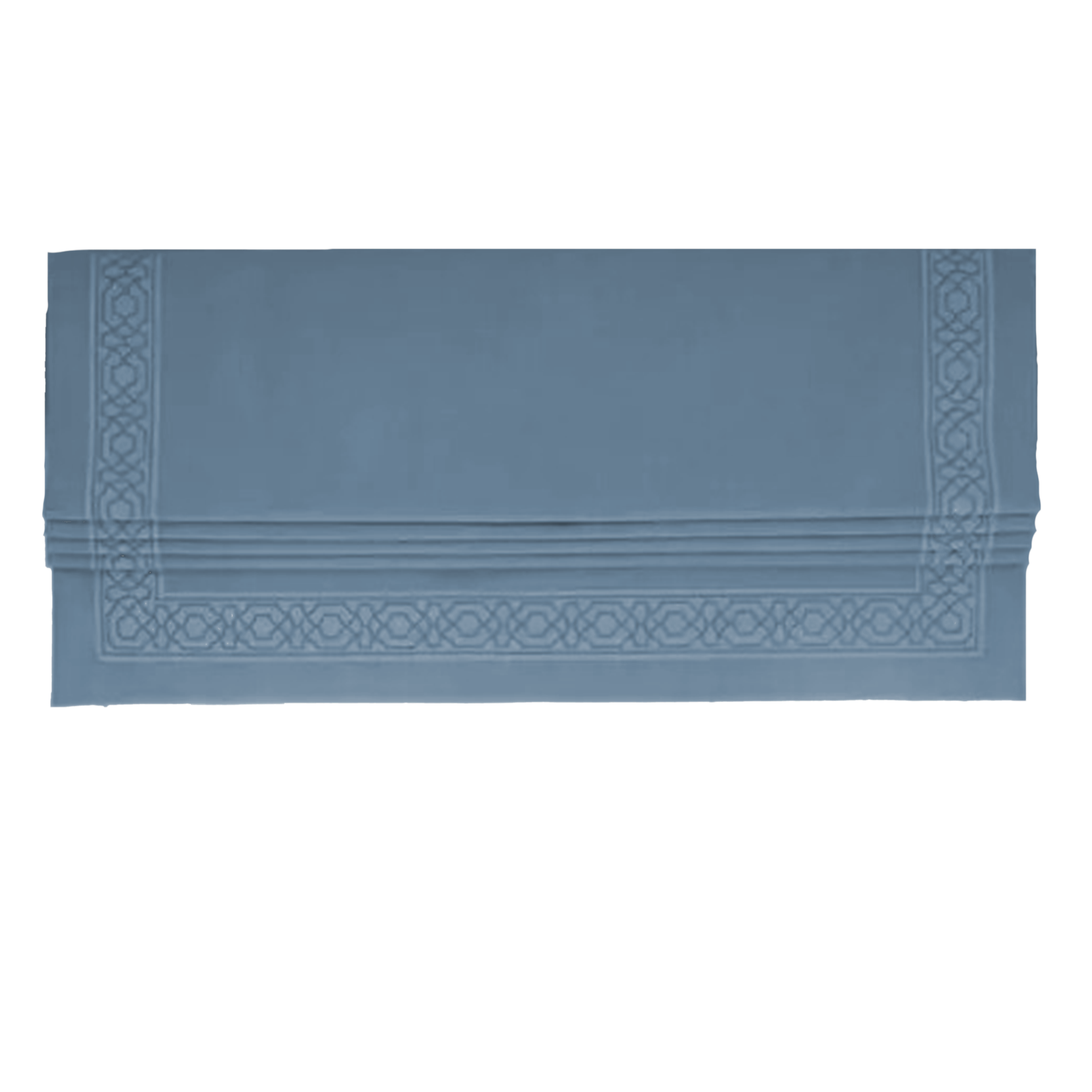
Flat Romans are clean, streamlined, and tailored. When lowered, the fabric lays smooth and uninterrupted, making them ideal for showcasing large-scale patterns or detailed prints.
Best for:
Modern or transitional interiors
Pattern-forward fabrics
Crisply designed spaces
Relaxed
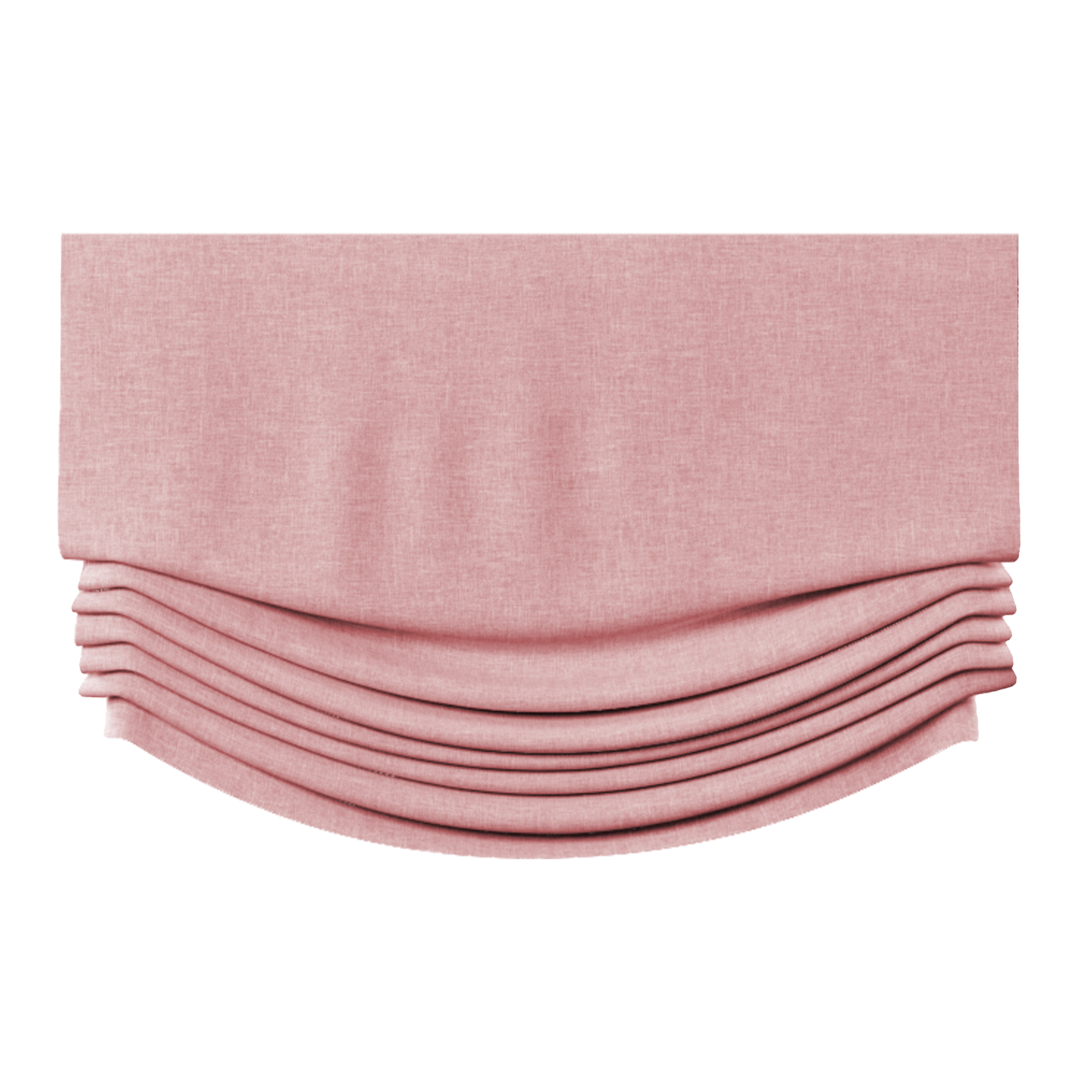
Relaxed Romans feature a gentle curve along the bottom hem when lowered. They feel softer and more informal than flat styles.
Best for:
Kitchens and breakfast nooks
Homes with traditional details
Spaces that benefit from a touch of ease
Hobbled
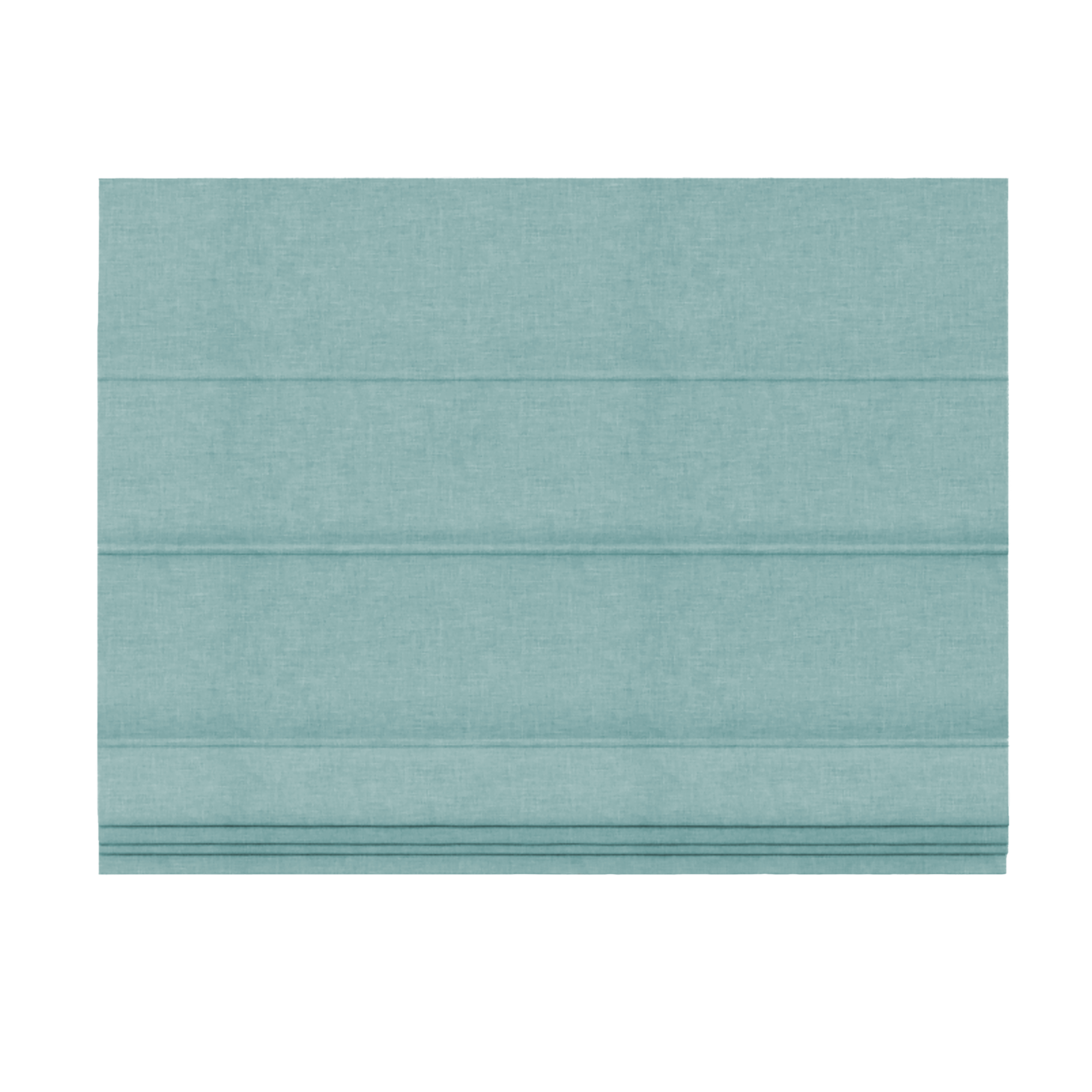
Also called soft-fold Romans, the hobbled style features cascading folds that remain visible even when the shade is lowered. The layered look adds depth and tradition.
Best for:
Formal living rooms
Traditional interiors
Rooms that benefit from added dimension
London
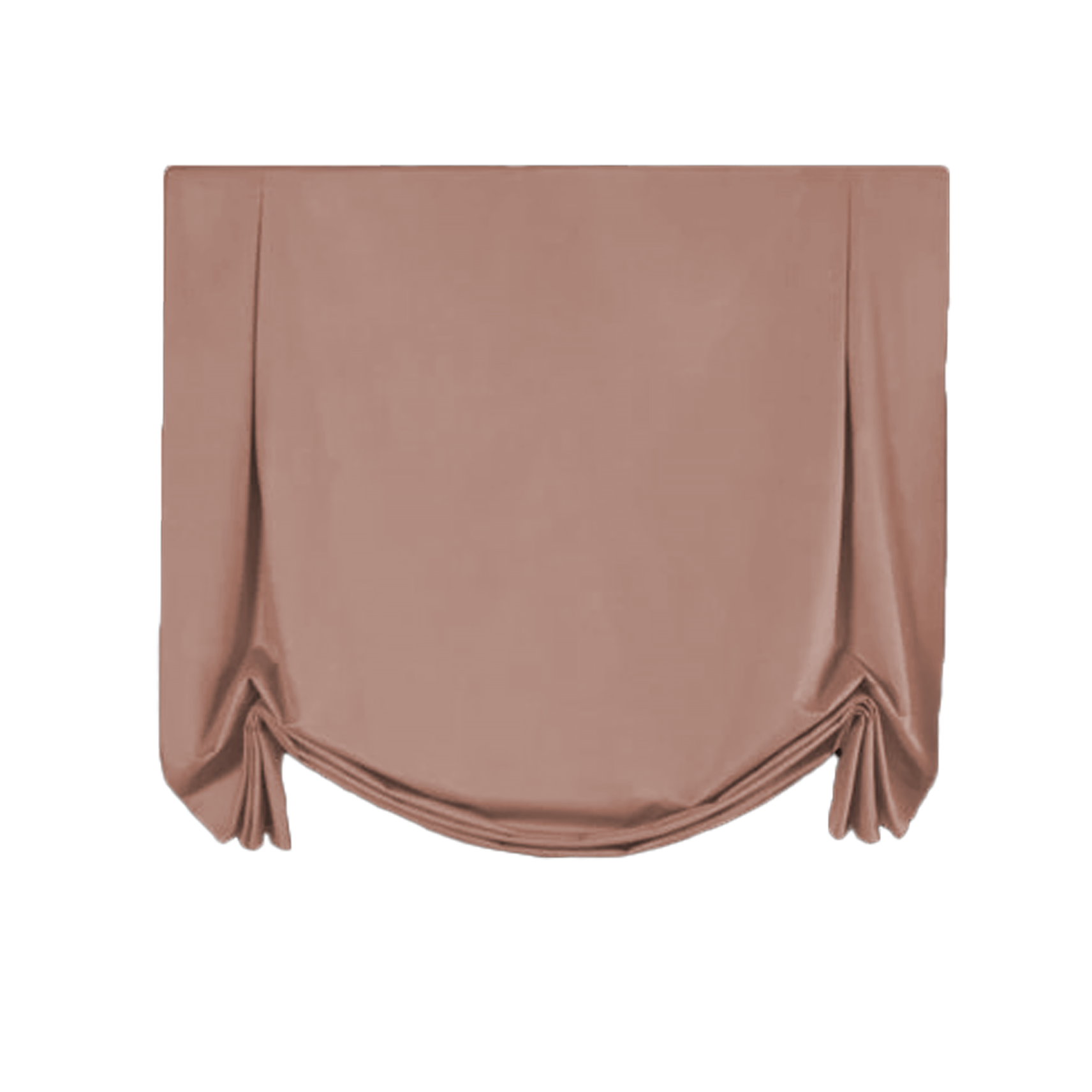
London shades combine softness with structure. They feature inverted pleats on each side and a soft center fold, offering a refined and slightly dressier appearance.
Best for:
Bedrooms
Dining rooms
Homes with classic architectural details
Operable vs. Faux Romans
Not all Roman shades function the same way. During the consideration stage, this distinction matters.
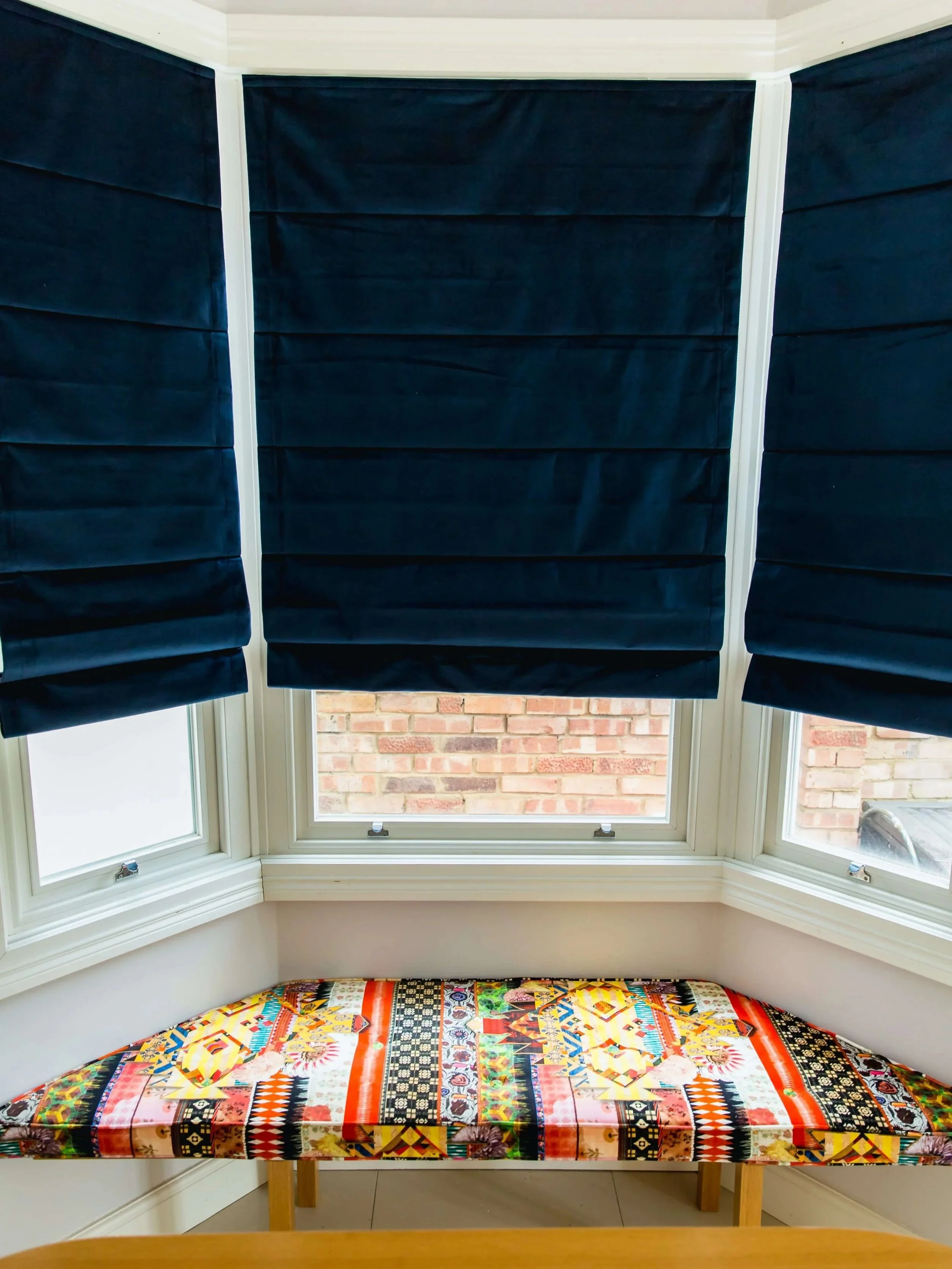
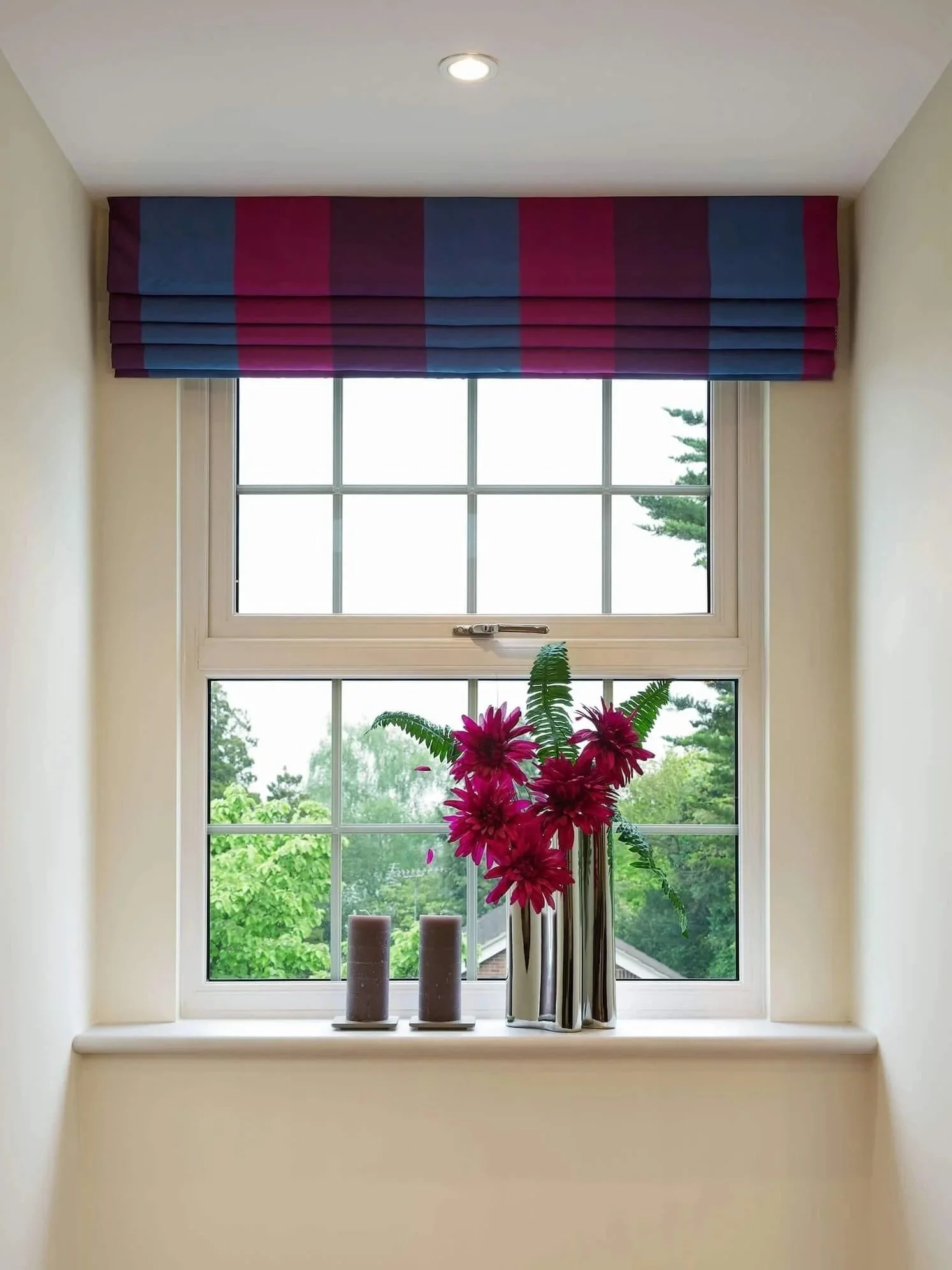
Operable Romans
Operable Roman shades raise and lower daily. They are often cordless or motorized, where motorization is especially helpful in hard-to-reach windows or bedrooms where convenience and routine matter most.
Ideal when:
Light control is a priority
Privacy needs change throughout the day
Windows are frequently used
Faux Romans
Faux Roman shades are stationary. They are designed to look like a Roman shade but do not lift.
Ideal when:
The window doesn’t require privacy
You’re layering over another treatment (like a woven shade or shutter)
You want softness without function
In many layered designs, a faux Roman provides decorative polish while another treatment handles light control.
Roman Shades in Homes
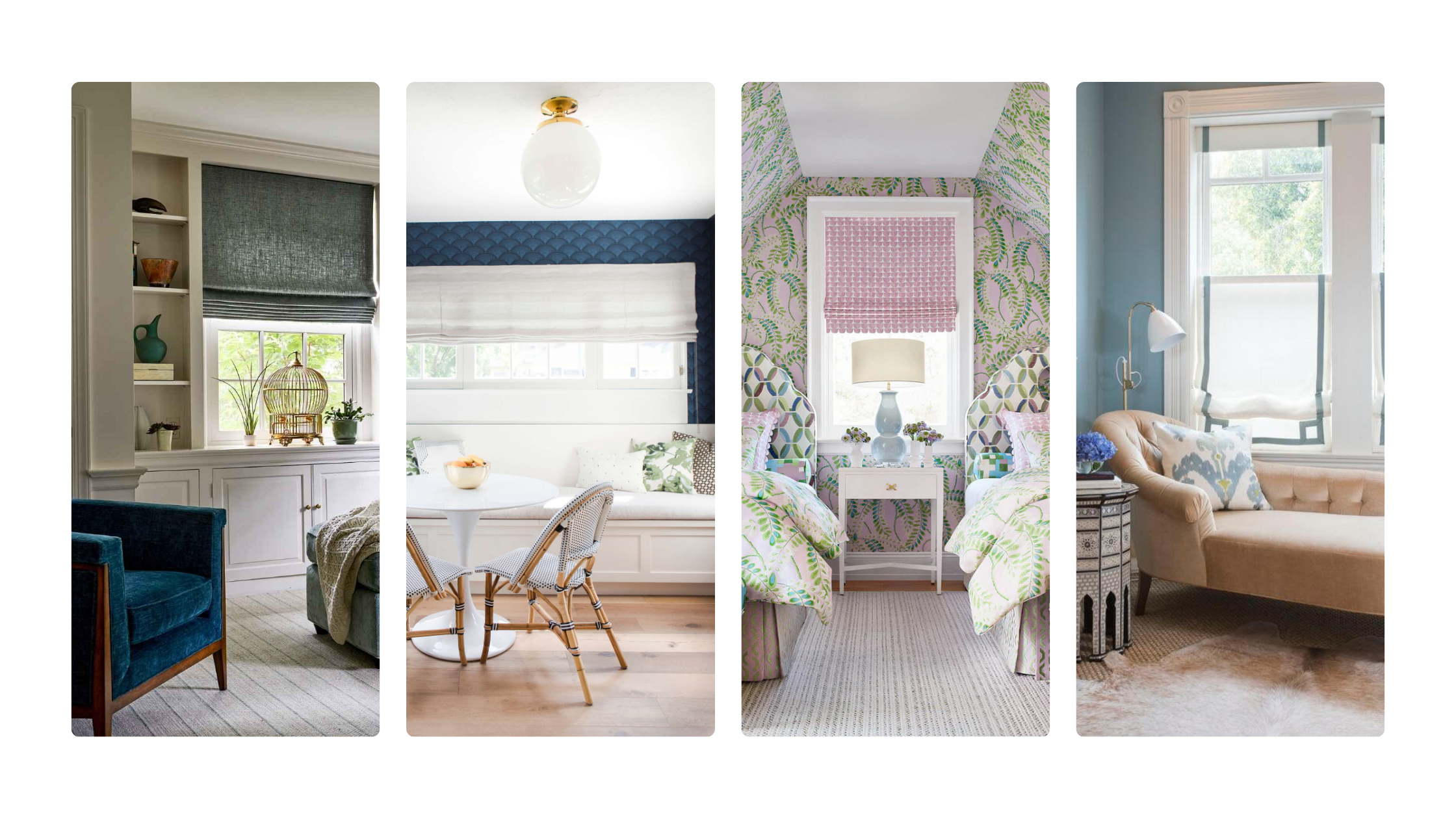
Roman shades adapt beautifully to nearly every room in the home.
Living Rooms
In living rooms, Roman shades can stand alone or layer beneath drapery panels. They provide:
Filtered light
Texture and pattern
Balance
Breakfast Nooks
Breakfast nooks often benefit from relaxed or flat Romans that feel soft but unfussy. They add charm without overwhelming the space.
Bedrooms
In bedrooms, lined or blackout Roman shades provide:
Privacy
Light control
A polished backdrop behind drapery panels
Offices
Home offices benefit from tailored Roman shades that reduce glare while maintaining natural light — creating a focused yet inviting environment.
Roman shades offer something uniquely balanced: the softness of drapery with the practicality of a shade.
For homeowners in the consideration stage, the real question isn’t whether Roman shades are beautiful — it’s which style, lining, and functionality best support how you live.
When thoughtfully designed, Roman shades become more than a window covering. They become an architectural feature — tailored, purposeful, and entirely custom to your home.
